
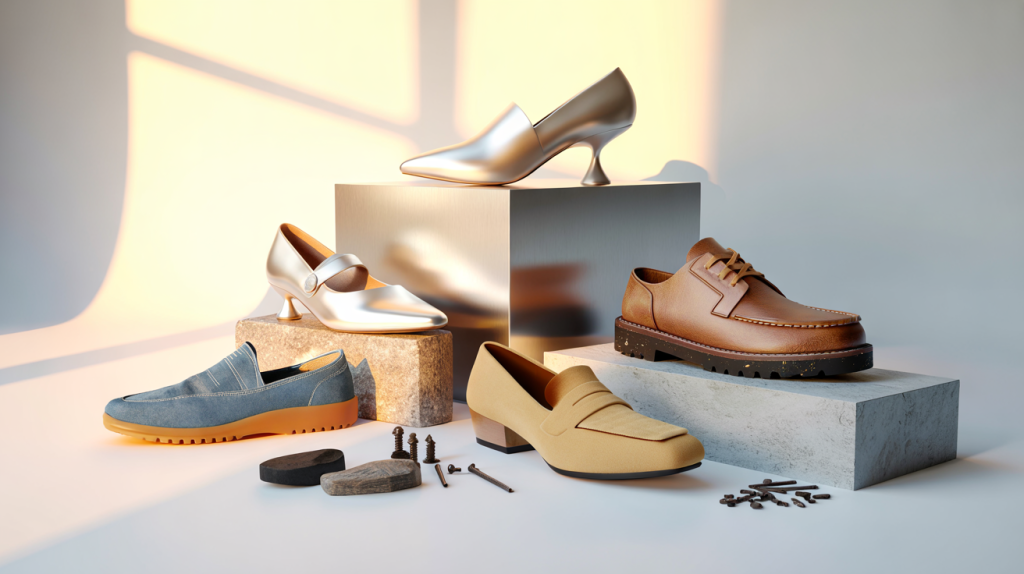
2026 shoe trends decoded : sleek sneakers, quiet-luxe heels, and planet-friendly materials backed by data and brand signals. See what will actually last.
Ready for the short version of 2026 footwear trends that matter in real life ? Think low-profile retro sneakers, ballet flats and Mary Janes reborn, sculptural kitten heels that feel walkable, plus city hikers that cross from trail to commute. On price and availability, the signs are solid : Statista sizes the global footwear market at 412.9 billion dollars in 2024, with annual growth projected at 3.58% through 2029 (Statista, 2024). Brands have room to invest, and shoppers will see it on shelves.
Pressure on materials and sourcing shapes the rest. Fashion’s footprint still bites, with the sector responsible for an estimated 8 to 10% of global carbon emissions, and a large share of wastewater (United Nations Environment Programme). In the United States, roughly 99% of shoes sold are imported, which keeps supply chains in the spotlight (Footwear Distributors and Retailers of America). That mix – demand plus scrutiny – explains why 2026 leans clean-lined, durable, and easier to repair.
2026 Shoe Trends : The styles you will actually see and wear
Runway previews and street data point the same way : refinement without stiffness, sport DNA without bulk. If the closet needs a quick update, start here.
- Retro runners with slim profiles and gum soles, in neutrals or soft colorblocks.
- Ballet flats and Mary Janes 2.0 with straps, padded insoles, and flexible edges.
- Sculptural kitten heels and mid-heights that balance poise and stability.
- City hikers and trail-to-town hybrids with toned-down lug soles.
- Soft loafers, sometimes square-toed, often unlined for glove-like comfort.
- Sport clogs and mules that slip on fast yet look polished.
- Modular or repair-friendly soles, visible stitching, and recycled rubber mixes.
Sneakers 2026 : Retro heat, resale gravity, performance crossovers
Sneakers stay central, but bulk fades. The shape shifts toward nimble, terrace-inspired silhouettes that already dominate search and street photos. The momentum is not new : Adidas Samba led global product rankings in 2023, per Lyst’s Year in Fashion report (Lyst, 2023). Expect that low-and-light formula to carry into 2026 with suede textures, soft palettes, and fewer oversized logos.
Resale keeps nudging design and distribution. Cowen estimated the global sneaker resale market could reach 30 billion dollars by 2030 (Cowen, 2020). For buyers, that means certain colorways and collaborations will hold value longer. Brands respond with steadier drops, more archival revivals, and materials that age nicely – think natural rubber edges and stitched cupsoles.
Performance crossovers persist because people walk more, work in hybrid patterns, and want one pair to do more. Office attendance hovered near 50% in many large U.S. cities during 2024, according to Kastle Systems’ Back to Work Barometer (Kastle Systems, 2024). That reality favors sneakers with subtle mesh, low stack heights, and all-day foams that still pass a smart-casual dress code.
Sustainable materials and circular design : from claim to default
Footwear inches from marketing to mechanics. With fashion’s emissions share under scrutiny (UNEP), brands scale recycled rubber, bio-based EVA, and leather from certified tanneries. The Leather Working Group continues to expand global certifications, which helps buyers find traceable hides. Repair and refurbishment programs grow too, since extending product life slashes impact more than most single swaps.
Policy moves push the pace. The European Union’s Ecodesign for Sustainable Products Regulation was adopted in 2024, setting the stage for digital product passports to roll out across product groups later this decade (European Commission, 2024). For shoes, that signals clearer data on fibers, chemicals, and repair options. Expect 2026 collections to add QR-enabled care guides, spare parts, and resolable constructions.
Practical checkpoint when shopping in 2026 : look for stitched or cemented soles that can be replaced, linings that breathe, and midsoles that resist compression. If a model comes with a brand repair map or spare taps for heels, even better. One real-world example is choosing a city hiker with stitched welts and a branded outsole you can source again – the pair lasts seasons, not months.
Work, events and everyday life : how to build a 2026 rotation
Most people juggle three modes – commute, desk, dinner. Shoes that handle at least two of the three win. Hybrids cut the bag clutter and the budget waste.
Start with a low-profile retro runner for errands and casual hours. Add a sculptural kitten heel or a block-heel Mary Jane for dinners and ceremonies. Bring in a soft loafer with a thin rubber forepart for the office and quick travel. If weekends mean parks and light trails, a toned-down hiker with recycled rubber and a padded collar earns its place.
Common mistake to avoid : chasing novelty shades and ornate trims that date in one season. The 2026 palette trends toward minimilist neutrals, sun-faded blues, tobacco, off-white, and metallic accents that read like jewelry not armor. Materials matter more than buzzwords. Full-grain leathers age well, knit uppers should have firm heel counters, and bio-based foams need density ratings you can actually feel underfoot.
The market context backs this calm approach. With 412.9 billion dollars in 2024 revenue and steady growth on the horizon (Statista, 2024), brands will flood feeds with options. Focus on fit, repairability, and use case. Given that 99% of U.S. pairs still cross borders before reaching the shelf (FDRA), choosing durable models and using repair services is the simplest way to shrink the footprint without sacrificing style.