
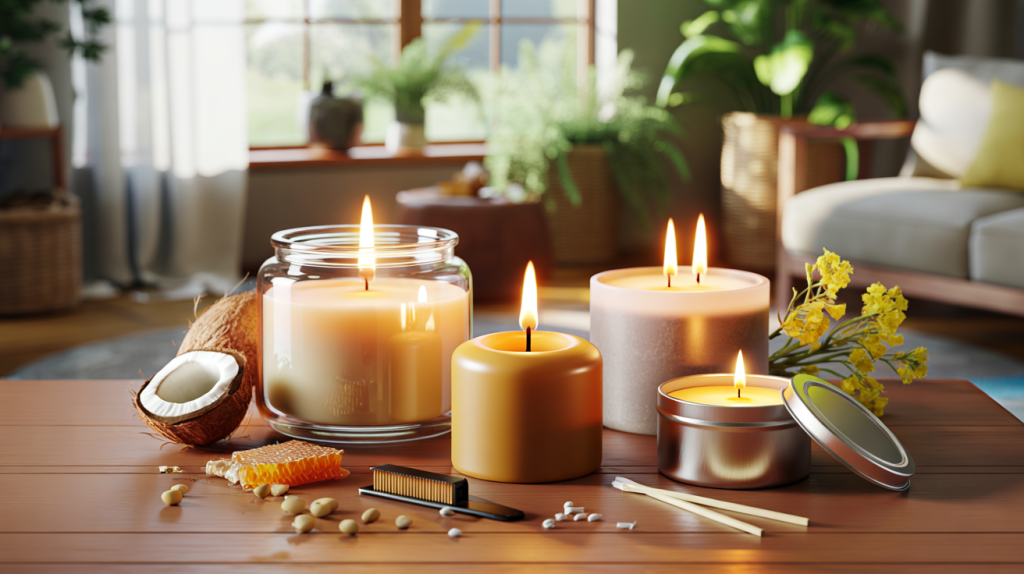
Switching to bougies naturelles sans paraffine. Learn the real health and quality wins, the science, and how to pick a cleaner candle that truly performs.
The candle aisle looks calm, yet most jars still rely on paraffin, a petroleum byproduct. Many shoppers now reach for natural candles without paraffin to cut soot, reduce petro-smells, and keep living rooms fresher.
Here is the context. “Natural” means little unless the wax, wick, and fragrance work together. Soy, beeswax, coconut, or rapeseed each burn differently, and that changes air quality, scent throw, and burn time. Since the U.S. Consumer Product Safety Commission banned lead-core wicks in 2003, the focus shifted to wax and fragrance emissions, with the World Health Organization’s 2021 guideline pressing for lower indoor particles, 5 µg per m³ annual and 15 µg per m³ daily. The choice of candle now carries weight in everyday health.
Why natural candles without paraffin win attention
Paraffin comes from petroleum refining, so many households want an alternative that feels cleaner and fits a low-impact home. Natural waxes deliver a softer, more rounded flame and a warmer vibe, often with slower burn that stretches each hour of comfort.
The market tells the story. According to Grand View Research, the global candle market was valued at 12.88 billion dollars in 2022, with a projected growth rate of 5.7 percent per year through 2030. Demand for soy, beeswax, and coconut blends keeps climbing as design, wellness, and gifting all converge on the same shelf.
People also care about fragrance integrity. Natural waxes tend to hold scent at lower temperatures, so they release fragrance more gradually. That avoids the harsh burst some users report with paraffin when a candle overheats.
Wax choices decoded : soy, beeswax, coconut, rapeseed
Soy wax often leads the pack. It comes from hydrogenated soybean oil, gives a creamy appearance, and usually burns slower than paraffin. Makers like it for smooth tops and easy coloring. Consumers like the clean look and an accessible price.
Beeswax brings a subtle honey note straight from the hive. It usually burns bright and steady, works well with simple essential oil blends, and feels premium on the table. It costs more, yet many accept that trade for a longer, more elegant burn.
Coconut wax enters as a luxe option. It tends to melt evenly and carries fragrance beautifully without a greasy feel. Many brands blend coconut with soy for a balanced melt pool and consistent scent throw.
Rapeseed, also called canola, shows up in European lines. It supports regional agriculture and can deliver a gentle burn profile. For buyers in cooler climates, this wax often performs reliably without tunneling.
Health and air quality : what the science and rules actually say
The U.S. ban on lead-core wicks in 2003 removed a major risk source. Today, the conversation centers on particles and volatile organic compounds released during burning. The World Health Organization updated its Air Quality Guidelines in 2021 and urged lower fine particles inside the home, pointing to 5 µg per m³ annually and 15 µg per m³ over 24 hours. Any open flame raises particles, so ventilation matters.
Public agencies in Europe assessed scented candle emissions and advised common sense: ventilate, avoid burning many candles in small rooms, and trim wicks. The Danish Environmental Protection Agency reported measurable ultrafine particles from scented candles and recommended airing out rooms after use, a simple step that reduces indoor build-up.
The National Candle Association notes that well-formulated candles of any wax can burn clean when the wick, fragrance load, and container match. Translation for shoppers : wax quality helps, yet poor wick sizing or excessive fragrance will still produce soot. That is why formulation beats marketing claims.
How to buy bougies naturelles sans paraffine that actually perform
Ready to switch. Here is a practical path to a safer, better burn that respects your nose and your walls.
Look closely at labels in the store or on the brand’s product page. Transparent makers list wax percentages and wick materials. If not, ask. Brands that invest in quality usually share the details with pride.
One last note. Fragrance strength sells, but overloading a natural candle can smoke, drown wicks, or trigger headaches. Standards from the International Fragrance Association set limits for safety, so IFRA-compliant blends signal thoughtful formulation. That said, sensitive households often prefer essential oil blends or low-allergen perfumes with lighter sillage.
For an easy checklist at the shelf or on your phone :
- Wax : look for “100 percent soy”, “100 percent beeswax”, or “coconut and soy blend”, clearly stated.
- Wick : cotton or wood, no metal core, trimmed to about 5 millimeters before each burn.
- Fragrance : IFRA-compliant, phthalate-free, disclose allergens where required under CLP or similar rules.
- Container : thick, heat-resistant glass or metal tin, reusable or recyclable.
- Origin : local or regional pouring to cut transport, beeswax from responsible apiaries, soy or rapeseed from traceable supply.
Burn habits complete the equation. Place the candle away from drafts, let the melt pool reach the edge before you stop, and limit sessions to about three hours. You cut soot, you extend candle life, and your room keeps that fresh, enviromental calm you were after.
So the answer to the big question sits here. Natural candles without paraffin can deliver a cleaner experience, as long as the formula is respectful and your burn routine is simple. Match the wax to your priorities, then buy from brands that publish materials, follow safety standards, and treat transparency as part of the design.