
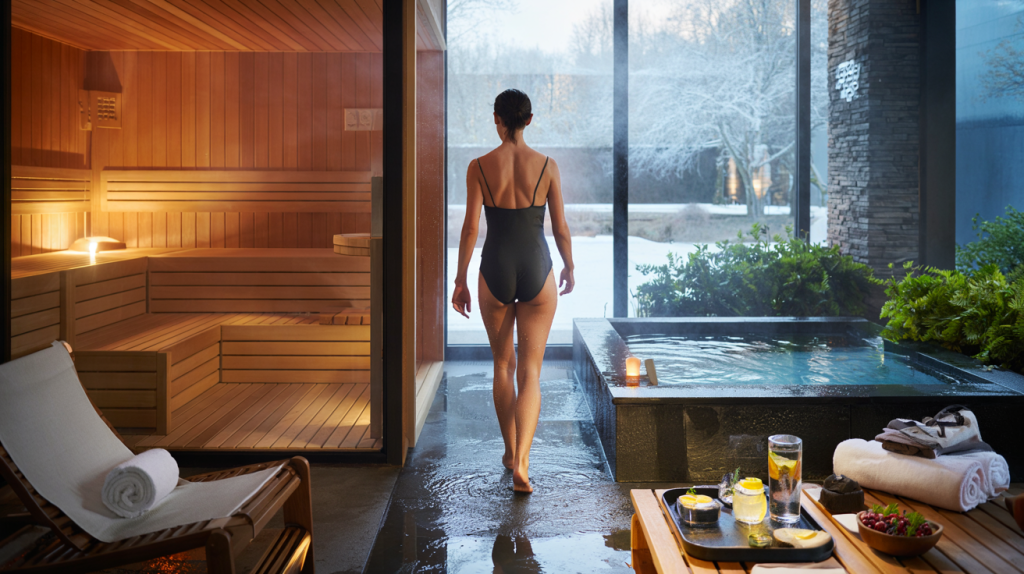
Wellness is not a magic pill, but a smart hotel spa stay can tilt biology in your favor. Think better sleep, lower stress, strategic heat and cold, light movement, nutrient-dense meals. That combo supports the immune system’s frontline, right when colds and fatigue tend to strike.
Research points to several levers: short sleep raised the odds of catching a cold more than fourfold in a 2015 study, while regular cold exposure cut sick-leave by nearly a third in a 2016 trial. Massage reduced cortisol by almost one third in a large review. A hotel that blends these tools does more than pamper. It primes defenses between check-in and check-out.
Hotel spa and immune system: what the science actually supports
The main idea is simple. Immunity thrives when stress goes down, sleep goes up, circulation is stimulated and inflammation stays in check. A well designed spa weekend tackles each piece without feeling clinical.
Lack of sleep made people far more likely to get sick after viral exposure. Adults sleeping under 6 hours were 4.2 times more likely to develop a cold than those sleeping more, in research published in 2015 in the journal Sleep (Prather et al., 2015). That makes restful rooms and quiet nights a core feature, not a luxury.
Thermal experiences add a gentle nudge. A 2013 lab study found a single Finnish sauna session increased white blood cell counts, a short term signal of immune activation (Pilch et al., Journal of Human Kinetics, 2013). Cold finishes have workplace impact too. A randomized trial of 3,018 adults saw a 29 percent reduction in self reported sick-leave after daily cold shower endings for 30 days (Buijze et al., PLOS One, 2016).
Sauna, hydrotherapy and massage : the numbers that matter
Stress is a known immune drag. A review covering multiple massage therapy trials reported average cortisol decreases of 31 percent, alongside rises in serotonin and dopamine that favor calm recovery (Field et al., International Journal of Neuroscience, 2005). That is measurable biology, not just a nice feeling.
Movement remains non negotiable. The World Health Organization recommends 150 to 300 minutes of moderate activity per week for adults to support overall health and resilience (WHO Guidelines, 2020). Many hotel spas offer guided mobility classes or gentle swims that fit this dose without exhaustion.
Sleep is the quiet powerhouse. The Centers for Disease Control and Prevention advises at least 7 hours for most adults, noting short sleep impairs immune responses to vaccines and infections (CDC, 2022). So blackout curtains, cool rooms, and tech free wind downs are not decor. They are a protocol.
How to choose a hotel spa program that supports immunity
The common mistake is booking only long treatments and skipping the pillars that move the needle: sleep, heat and cold cycles, light movement, nutrient rich meals. A thoughtful itinerary layers them, then gets out of the way.
Concrete signs you are in the right place include a proper sauna or steam room, a cold plunge or chilled shower, trained massage therapists, quiet sleep floors and balanced menus with whole foods. Simple yes. Consistent, not always.
Before booking, a quick checklist helps align the stay with your goal.
- Thermal circuit onsite : sauna at 70 to 90°C, steam room, and a real cold finish at 10 to 15°C
- Sleep support : dark rooms, late check-out, noise control, caffeine aware bar
- Evidence informed treatments : licensed therapists, massage options 60 to 90 minutes
- Active recovery : pool lanes, mobility or breathwork classes, outdoor walking routes
- Food that fuels : vegetables, lean proteins, fermented options, low sugar breakfasts
A 48-hour spa itinerary to reduce stress and nudge immunity
Arrival afternoon starts light. Hydrate, drop bags, then take one sauna and cold cycle. Sit 8 to 12 minutes warm, rinse, then 30 to 60 seconds cold. Rest until breathing settles. Repeat once. Early dinner with vegetables and protein. Screens off an hour before bed. Blackout curtains closed.
Morning one centers on sleep and movement. Wake naturally if possible. Eat a high protein breakfast. Stroll 20 to 30 minutes outside. Book a 60 minute massage late morning for that cortisol drop. Nap 20 minutes max. Late afternoon, one more heat cold circuit, then a warm shower.
Evening stays calm. Light dinner, no alcohol if immunity is the goal. Gentle stretching in room and five minutes of slow nasal breathing. Lights low. Aim for 7 to 9 hours. Small choice, big return.
Departure day keeps momentum. Short pool session or mobility class. One final sauna warm up and a brief cold finish. Lunch prioritizes color and fiber. On the way home, plan two habits to keep: a 10 minute evening wind down and one weekly heat cold session. Sounds small, definitly doable.
The missing piece is consistency back home. The gains from a hotel spa stay compound when anchored to daily sleep hygiene, modest activity and periodic thermal exposure. That is where immune support turns from weekend boost into a steady ally.
Sources : Prather et al., Sleep, 2015. Pilch et al., Journal of Human Kinetics, 2013. Buijze et al., PLOS One, 2016. Field et al., International Journal of Neuroscience, 2005. WHO Guidelines on Physical Activity, 2020. CDC, Sleep and Health, 2022.