
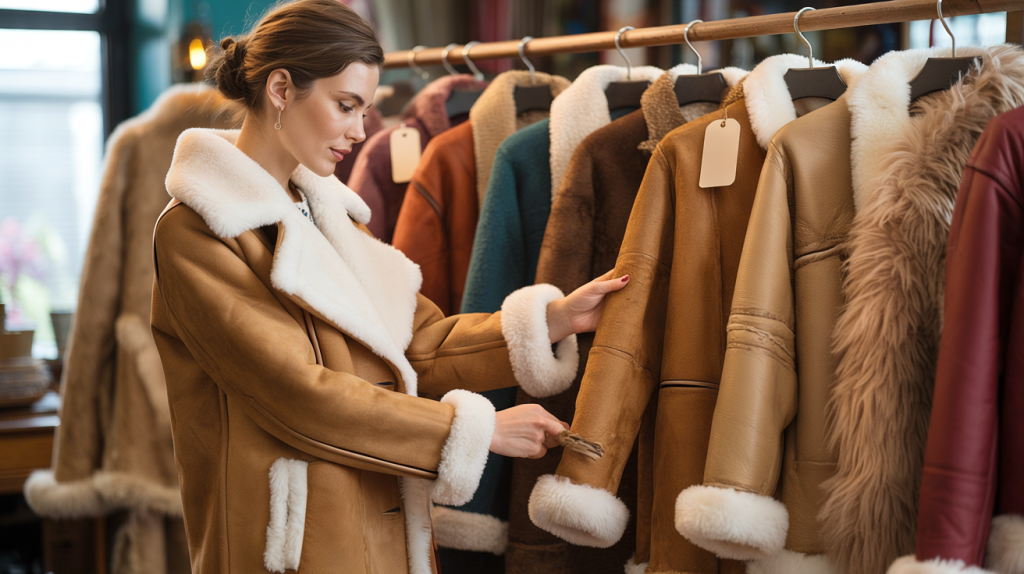
Want a cozy Afghan coat without the high price? This guide shows smart places, checks and care tips to score a manteau afghan femme pas cher that lasts.
The Afghan coat is back in everyday wardrobes, from vintage markets to quick-shipping e-shops. Shaggy shearling collars, warm suede textures, a 70s silhouette that still looks modern. The good news is simple : finding a cheap women’s Afghan coat is possible when you know where to look, what to check, and when to buy.
Search intent points to one thing : value. Readers want the real look, solid warmth and fair cost, not flimsy synthetics that pill in a month. This piece goes straight to the essentials that help compare options, avoid common pitfalls, and leave with a coat that feels good on the shoulders and on the wallet.
Afghan coat basics : what it is, why it trends, how to spot the right one
Traditionally called a “pustīn” in Afghanistan, the coat uses sheepskin with the fleece turned inward for insulation and a sueded exterior. Today, the look appears in both genuine shearling and faux-shearling versions. The style gained global visibility in the late 1960s and 1970s, and the revival cycles every few winters because the cut flatters jeans, dresses, even office wear.
Two routes exist for a low price. Vintage or secondhand brings better materials for less, with patina that feels authentic. Contemporary budget lines offer lighter faux options that copy the silhouette. The choice depends on climate, allergy concerns, and maintenance time.
Timing helps. Off season, prices typically soften as stores clear space for spring stock. Local listings move faster during cold snaps. Setting alerts reduces the risk of missing a size or color that fits your plan.
Where to find a manteau afghan femme pas cher without compromise
A focused hunt beats endless scrolling. Real deals tend to cluster in places where turnover is high and descriptions are detailed. Aim for clear measurements, close-up photos of seams, and return options when buying online.
Try these sources when the goal is value, not luck :
- Local vintage shops with winter racks rotated weekly
- Trusted resale apps focused on fashion, with buyer protection
- General marketplaces with filters for “shearling”, “Afghan coat”, “pustin”
- Flea markets or charity stores in colder regions where stock skews warmer
- Brand outlets or mid-season sales for faux-shearling versions
One more lever is negotiation. For secondhand listings, a polite offer supported by comparable prices and a quick pickup window often gets accepted. Sellers want certainty, not haggling marathons.
Quality checks, sizing and care that make a bargain last
Condition tells the truth. For genuine shearling, rub the suede lightly to see if pigment transfers. Check edges for dryness or cracking. Gently tug seams at the armhole and pocket corners, since those areas split first on older coats. For faux styles, inspect the backing fabric and the density of the pile. Sparse pile thins fast.
Weight matters. Real shearling feels substantial but not rigid. If the coat feels unusually heavy for its size, the hide may be oversaturated with old conditioners or moisture. If it feels too light, insulation will underperform on windy days.
Fit requires exact numbers. Ask for shoulder width, sleeve length from shoulder seam, chest laid flat, and total back length. Vintage labels often mislead. Use a tape at home, compare with a current winter coat that fits well, and only then hit buy. This is where many shoppers recieve returns.
Care is simple but consistent. Brush faux-shearling to lift the pile and spot clean with mild soap. For genuine shearling, blot spills quickly, then air dry away from heat. Store on a broad hanger with breathing room, not in plastic. A pro leather cleaner once a season can revive shape and surface.
Budget, sustainability and the numbers behind a smart choice
The cheapest option is the one worn often. That is where sustainability enters the picture with real figures. The United Nations Environment Programme reports that fashion contributes up to 10 percent of global carbon emissions, published in 2019, which puts longevity at the center of any smart purchase.
Keeping a coat in use longer cuts impact and saves money. WRAP’s “Valuing Our Clothes” study found that extending the life of clothing by nine months reduces carbon, water and waste footprints by around 20 to 30 percent, reported in 2017. An Afghan coat, whether genuine or faux, already starts strong on warmth, so regular wear is easy to achieve.
A practical path emerges. Set a budget ceiling, then split it into three parts : the coat price, minor alterations if needed, and care for year one. Filter searches by size first, then fiber, then color. Ask sellers for daylight photos of cuffs, hems and lining. Choose neutral tones if resale value matters later, since they exit faster. The final move is timing purchases before or after peak cold, when demand dips and listings linger. That combination solves both goals at once, style and spend, without guesswork.