
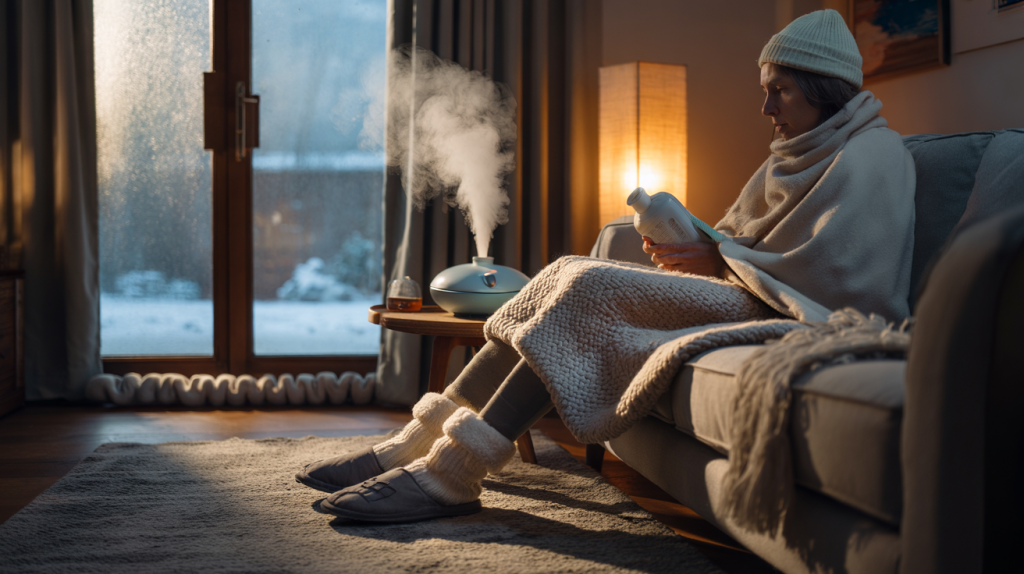
A cold snap can flip a home from snug to shivery in one afternoon. The fastest fix is not turning the thermostat up, it is layering the space with the right cozy accessories that trap heat, block drafts and warm the body where it loses heat first.
Health guidance sets the stakes. The World Health Organization states indoor temperatures should be at least 18°C for healthy adults, higher for older people and babies, in its 2018 Housing and health guidelines. At the same time, the U.S. Department of Energy notes windows are responsible for 25 to 30 percent of residential heating energy use due to heat transfer through glass. That is exactly where smart, low cost accessories do heavy lifting.
Cozy accessories for a cold snap : what truly works now
Main idea first. Cold bites at the edges of a home, then at extremities. Accessories that seal, insulate and deliver direct warmth solve the problem fast without redoing a heating system.
One mistake appears every winter. People heat the whole volume of air, then sit by a drafty window in thin socks. Heat the person and the cold spots at the same time, comfort rises quickly and bills do not spiral.
Looking for a short list to shop tonight, then test tomorrow morning comfort This set targets the biggest gains quickly.
- Thermal curtains with a tight weave to cut window heat loss
- Draft stoppers for doors and sash gaps
- Thick area rug or rug pad to block cold floors
- Heated throw with auto shutoff for the sofa
- Classic hot water bottle in a soft cover for the bed
- Fleece lined socks and insulated slippers
- Soft neck warmer and lightweight beanie for evenings
- Cool mist humidifier to hold 30 to 50 percent indoor humidity
Windows, floors and drafts : small fixes, big warmth
Observation. Glass bleeds heat, floors leach it away, gaps pull warm air out. The Department of Energy attributes 25 to 30 percent of heating energy use to window heat loss, which makes window treatments a lever, not a detail.
Thermal curtains and liners add an air pocket that slows conductive loss. Close them at dusk when the temperature drops outside. Leave a small gap at the top for condensation control. During the day, open sun facing curtains to bring in free solar warmth.
Drafts are sneaky. ENERGY STAR reports that air sealing and adding insulation can save an average of 15 percent on heating and cooling costs, updated 2023. A simple door snake along the threshold, foam strips on frames and a bead of removable caulk around leaky trim reduce that pull without tools.
Floors matter. A dense rug with a felt or rubber pad cuts the chill in rooms over basements or slabs. Not fancy, just comforable underfoot and warmer for the whole body because contact with cold surfaces increases perceived cold.
Heat where it matters : throws, bottles and safe use
Advice time, with empathy. End of day fatigue makes anyone reach for the thermostat. A heated throw across the lap, then a regular blanket on top, creates a bubble of warmth right where the body needs it while the central heat stays steady.
Set smart habits. Use heated throws with auto shutoff and keep cords untangled. For bed, a hot water bottle placed near the feet warms sheets before lights out. Fill with hot tap water, not boiling, and never overfill. Replace older bottles that show cracks or discoloration. Basic safety keeps the cozy vibe intact.
Numbers help the choice. The National Sleep Foundation notes most people sleep best in bedrooms at 60 to 67°F, updated guidance accessed 2021. Warming the bed surface beats heating the whole room to 72°F. That is comfort by design, not brute force.
Dress the room and the body : layers, humidity and sleep
Here is the logic that ties it together. Warm air, still air, and a touch of moisture feel warmer at the same thermostat setting. That is why a layered room and layered clothing work together.
Layer the body with breathable base layers, then add a soft mid layer. Warm feet first using thick socks and insulated slippers. A light beanie helps too, not because most heat escapes the head, but because exposed skin cools quickly and the signal to feel cold starts there.
Humidity finishes the set. The U.S. Environmental Protection Agency recommends indoor relative humidity between 30 and 50 percent for comfort and to limit mold growth. Dry winter air makes 19°C feel cooler on the skin. A small cool mist humidifier in living spaces nudges the air into that sweet spot. Use distilled water when possible and clean tanks every few days.
If the goal is quick relief and lower energy use, start where the cold is loudest. Map the drafty window, the bare floor by the sofa, the bed that feels icy at midnight. Then place the right accessory in each spot. That sequence turns a cold snap into a tolerable weeknight, without chasing the thermostat.