
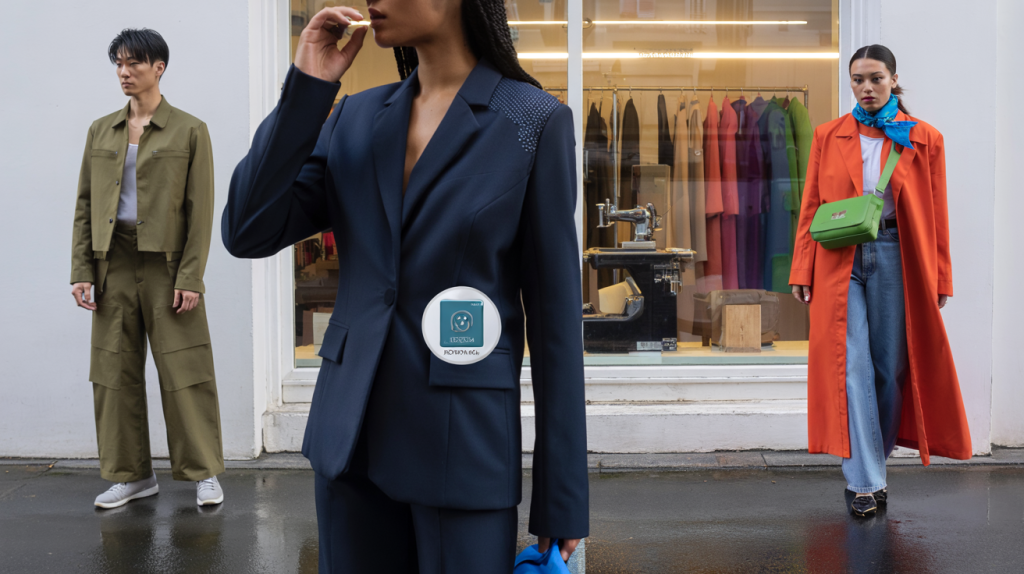
Fashion in 2026 looks sharp, useful and strangely optimistic. The noise of micro trends fades, replaced by clean lines with hidden performance, workwear rebuilt for real life, and confident color that photographs beautifully. Retail braces, search intent spikes, and wardrobes shift toward pieces that last longer and do more.
What drives it : hard data and new rules, not just runway vibes. The United Nations Environment Programme states that the industry is “responsible for 10% of annual global carbon emissions” and a large share of wastewater. The European Union adopted the Ecodesign for Sustainable Products Regulation in 2024, introducing a “digital product passport” for products. Resale keeps surging too. thredUP’s 2024 Resale Report says the “U.S. secondhand market is projected to reach $73 billion by 2028.” That mix points to a 2026 wardrobe built on utility, traceability and a brighter palette.
2026 Fashion Trends at a Glance: Signals That Stick
Three pillars set the tone. First, quiet tech tailoring: blazers, trousers and dresses cut like classics but made with breathable knits, wrinkle resistance and weather‑smart finishes. Pieces that move from commute to camera without screaming performance.
Second, neo‑utility. Think cargo pockets scaled down, ripstop softened, and hardware that actually works. The look borrows from uniforms and outdoor gear, but it stays city‑ready. Brands tested it for seasons, then shoppers kept wearing it. That part matters.
Third, saturated color returning after a long neutral cycle. Electric blue, tomato red, chlorophyll green. Strong shades that energize suiting and denim, while pastels sit out. The effect plays well on social images and in real daylight.
Sustainability Gets Real: Regulation, Resale and Materials
Policy shifts change product decisions. The EU’s 2024 regulation sets criteria for durability and reparability and introduces the “digital product passport” – a scannable ID with material and repair data. Early pilots land before 2026 in priority categories, textiles included, pushing labels to prove what they claim.
Resale grows from niche to habit. thredUP’s report lines it up clearly: the “U.S. secondhand market is projected to reach $73 billion by 2028.” That underpins 2026 collections designed with second lives in mind – better stitching, modular parts, and classic fits that hold value.
Environmental pressure never left. The United Nations Environment Programme notes fashion’s emissions share at “10%.” That number focused executives on near‑term moves: lower‑impact fibers, dye innovation, recycled trims, and less overproduction.
On the business side, spending is steady but selective. McKinsey’s The State of Fashion 2024 pointed to “2 to 4%” growth for global fashion sales in 2024. By 2026, that mood favors versatile investment buys over throwaway seasonal drops.
How to Wear 2026: Quiet Tech, Neo‑Utility, Color
Closets shift without starting from zero. One tailored set in a technical knit upgrades weekdays fast. Wide‑leg cargos get refined with a crisp poplin shirt. A saturated coat turns old jeans into a look. Simple.
Common mistake : chasing novelty. The trend actually rewards consistency. If a blazer creases easily or a cargo pant lacks structure, it will read tired. Look for bonded seams, pocket placement that sits flat, and fabrics with recovery.
Here is a compact plan that works on any budget.
- Pick one quiet tech hero – a blazer or dress – in navy or charcoal to extend wear across seasons.
- Add a neo‑utility bottom with subtle pockets and reinforced hems, then pair with leather or minimalist sneakers.
- Choose one saturated color near the face – scarf, knit, or outerwear – that matches skin undertone for instant lift.
- Buy traceable basics: check care labels, favor durable stitching, scan product passports when available.
- Rotate resale: sell last year’s duplicates and source quality denim or tailoring pre‑owned to balance spend.
A quick real‑life example. A technical blazer with stretch and a water‑repellent finish goes from desk to drizzle. Swap a tee for a fine‑gauge turtleneck and add a high‑saturation scarf. The silhouette stays quiet, the function does the heavy lifting.
What Changes in Retail and Brands by 2026
Traceability becomes visible at the rack. Digital product passports tie each garment to fiber content, origin and care. That reduces guesswork, lifts trust, and nudges repair over replacement. France already banned the destruction of many unsold goods under the AGEC law, so inventory strategies shifted earlier than many noticed.
Design calendars loosen up. With growth hovering in a tight range and returns expensive, brands trim hype drops and lean into modular collections. On‑demand capsules expand. Stores favor tailoring corners and service desks – small repairs, restyling, cleaning – because keeping pieces in play retains customers.
Pricing stratifies. Quiet tech raises entry price slightly, but cost‑per‑wear falls when fabrics last. Neo‑utility positions as mid tier, while color statements arrive via accessories to stay accessible. Resale sits beside new-in more often, integrated online and in‑store.
The missing link used to be fit. 3D size tools and clearer fabric data close that gap, shrinking returns and letting shoppers buy with confidence. Once that friction drops, the 2026 wardrobe clicks into place – fewer items, higher performance, and color that feels definitly alive.