
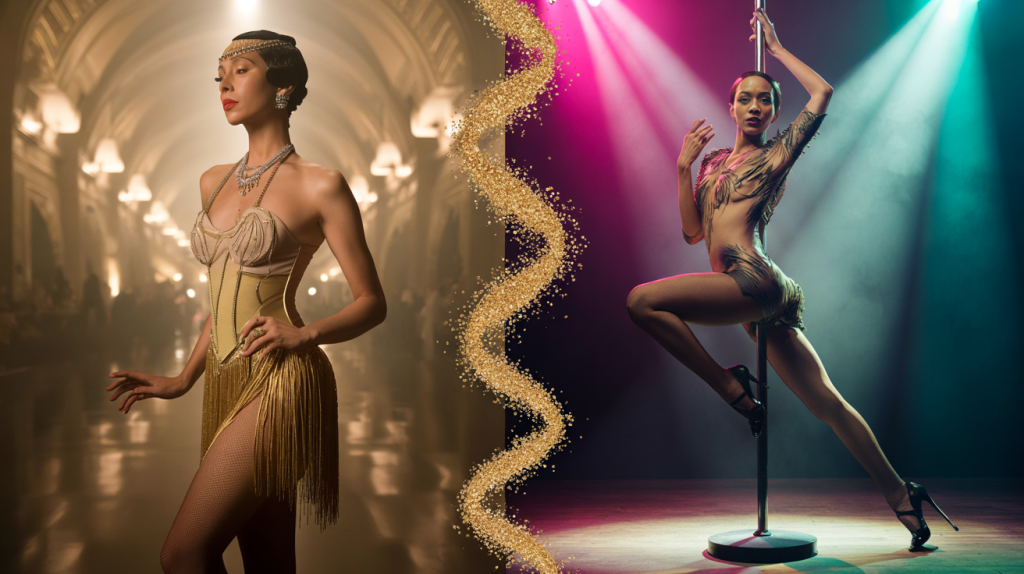
FKA twigs and Joséphine Baker : the connection that keeps trending
Two names surge in search bars together for a reason. Joséphine Baker, born 3 June 1906 in St. Louis, shattered Paris in the 1920s, became a French citizen in 1937, and was inducted into the Panthéon on 30 November 2021, the first Black woman to receive that national honor. FKA twigs, the British singer and dancer behind the 2014 Mercury Prize shortlisted LP1 and the 2019 album Magdalene, has built an art language of movement, avant‑pop and risk that echoes Baker’s audacity without copying it.
Context matters. Baker was a global star at 21 with the Folies Bergère and the 1927 film Siren of the Tropics, then a Resistance courier during World War II and later a civil rights voice. FKA twigs forged a multidisciplinary path that spans pole‑artistry, contemporary dance and experimental visuals, from the 2018 Apple spot Welcome Home to the 2022 mixtape Caprisongs. When audiences place them side by side, the question is not fashion or nostalgia. It is legacy and reinvention.
Why Joséphine Baker still sets the bar in 2025
Start with the facts that shaped culture. Baker’s banana‑skirt number in 1926 was not a gimmick, it was a stage shock that flipped colonial gaze back at the room. She leveraged fame for action, carrying coded messages for Free France and earning the Croix de guerre after 1945. She built a family of 12 adopted children she called her Rainbow Tribe to model a world without racial hierarchy.
Numbers anchor the imprint. Paris filled theaters for her revue runs across the late 1920s, then honored her military service with official decorations after the war. In 2021, the Panthéon ceremony placed her cenotaph among France’s most revered figures, a national signal that performance and resistance can live in the same life. That timeline still shapes how artists think about courage onstage.
How FKA twigs mirrors that fearlessness onstage
Watch the body talk. Twigs treats choreography as storytelling, a muscle‑level conversation with the camera that lands closer to cabaret craft than standard pop blocking. The pole performance that stunned audiences in 2019 set a physical standard few mainstream acts approach, and it was not spectacle for spectacle’s sake. Like Baker’s revues, it made virtuosity the message.
Then there is control of image. Twigs cycles through silhouettes and genres at speed, shifting from baroque couture to street minimalism between tracks, just as Baker moved from revue star to uniformed Resistance figure. Vocally, twigs rides whisper and falsetto with a dancer’s precision, leaving negative space that directors love to shoot. The throughline is authorship.
Dates mark the arc. LP1 arrived in 2014 and made the Mercury shortlist. Magdalene in 2019 deepened the palette. Caprisongs in 2022 opened the door to mixtape looseness and new collaborations. Each step widened the stage vocabulary rather than repeating a safe formula. That is Baker’s shadow, not in content, in stance.
A practical guide to explore FKA twigs and Joséphine Baker
The curiosity is real, and it grows with every new performance clip or archive drop. For anyone mapping the lineage in a concrete way, here is a short path that rewards attention.
- Joséphine Baker : search the Folies Bergère photographs from 1926, then watch Siren of the Tropics from 1927 for the silent‑era presence.
- World War II chapter : look up her Free France service records and decorations announced after 1945, then the Panthéon induction on 30 November 2021.
- FKA twigs albums : play LP1 from 2014 and Magdalene from 2019 back to back to hear the shift in tone and structure, followed by Caprisongs from 2022.
- Performance language : revisit the 2018 Apple film Welcome Home for movement grammar, then compare with her pole‑led stage work in 2019.
So what binds them beyond aesthetics. Agency. Baker rewired the rules of who gets to command the room, then used that leverage for a country that became hers in 1937. Twigs operates with similar authorship inside a music economy that rewards repetition, yet keeps choosing risk. If a screen project unites their names again, the measure of success will be simple : does it honor the dates and deeds that make Baker more than a moodboard, and does it let twigs do what she does best, embody the idea. One more thing, the archive is alive, and it keeps talking if we listen unmisable close.