
Want outfits that look expensive without the price tag All the secrets of high low style, backed by data and pro tricks, in one quick guide.
One designer bag. One vintage jean. Put them together and the look immediately lands. That is the promise of high low style, a way of dressing that blends a few premium pieces with wallet friendly basics to create outfits that read polished, modern, and very you.
The timing tracks. Luxury keeps its pull while budgets feel tight, and resale explodes online. High low answers the search for value and individuality at once, giving freedom to mix favorite labels with thrift scores and high street finds without looking mismatched.
High low style explained: why the mix works
At its core, high low means pairing a standout investment piece with accessible staples. A sharp blazer with a simple tee. Fine leather shoes with relaxed chinos. The eye lands on quality details, then the rest supports the story.
It solves three common problems. Outfits feel flat, closets overflow, and costs climb. The mix creates contrast and texture, uses what is already owned, and keeps spending focused on items that actually last.
There is also a sustainability win. Wearing better pieces longer and rotating pre loved finds reduces churn. That helps move a wardrobe away from impulse buys that rarely leave the hanger.
Data behind the trend: resale boom and luxury resilience
Resale is no niche. The thredUP 2024 Resale Report projects the United States secondhand apparel market to reach 73 billion dollars by 2028. That rise puts more quality items within reach and normalizes mixing old with new.
Luxury remains strong too. Bain and Company, in its 2023 Luxury Goods Worldwide Market Study with Altagamma, estimated the personal luxury goods market at 362 billion euros in 2023, up 4 percent year over year at current exchange rates. Consumers still want craftsmanship and brand heritage, they just combine it differently.
The environmental stakes add urgency. The United Nations Environment Programme reported in 2019 that fashion accounts for 8 to 10 percent of global carbon emissions and about 20 percent of global wastewater. The Ellen MacArthur Foundation noted in 2017 that clothing utilization dropped by around 36 percent in 15 years. High low, done thoughtfully, pushes back on those trends.
How to build high low outfits that look intentional
Start with one hero item per look. A bag, coat, blazer, leather boot, or watch. Keep everything around it streamlined. That keeps the silhouette clean and lets the quality piece do the work.
Color and fabric matter. Neutrals elevate high street basics, while textures like wool, silk, and cotton pop sit well beside premium leather or hardware. Loud logos next to bold prints can fight each other, so pick one focal point.
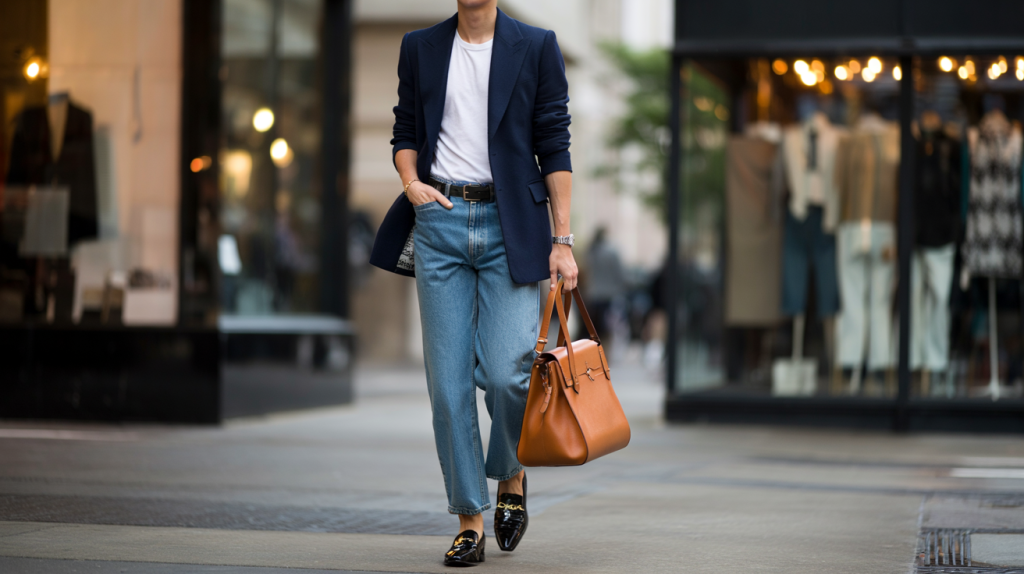
Real life test. A navy wool blazer over a crisp white tee, vintage straight leg denim, and polished loafers. Add a silver watch. The blazer and watch carry the polish, the denim brings ease, the tee keeps it fresh.
Common pitfalls show up fast. Too many trend items together, visible wear that reads sloppy rather than patina, or accessories that do not match metals. Small tweaks fix it quickly.
Quick checklist for everyday mixing
- Anchor each outfit with one investment piece and one strong basic
- Stick to two or three colors to keep the line clean
- Choose natural fabrics where possible for better drape
- Tailor inexpensive items so hems and sleeves hit right
- Repeat one texture twice, like leather shoes and a leather belt
Smart shopping strategy: where to invest and where to save
Invest where structure, materials, and fit carry long term value. Coats, blazers, leather shoes, handbags, and watches tend to outlast trends. These pieces often see the lowest cost per wear over time when worn often and maintained.
Save on high rotation basics that face frequent washing or that change with silhouettes. Tees, tanks, casual knits, seasonal prints, and statement jewelry can come from the high street or resale without hurting the look.
Use resale to bridge the gap. Many premium items appear lightly worn at a fraction of retail as collections turn over. Verify condition, request measurements, and check seller policies. Caring for leather and wool extends life significantly, which keeps the high part of high low looking sharp.
Budgeting gets easier with a simple split. Allocate a fixed share to long term pieces and the rest to refreshers. Track cost per wear for the next three months. The numbers usually confirm what style instinct already says, and the closet starts to feel definetly more coherent.