
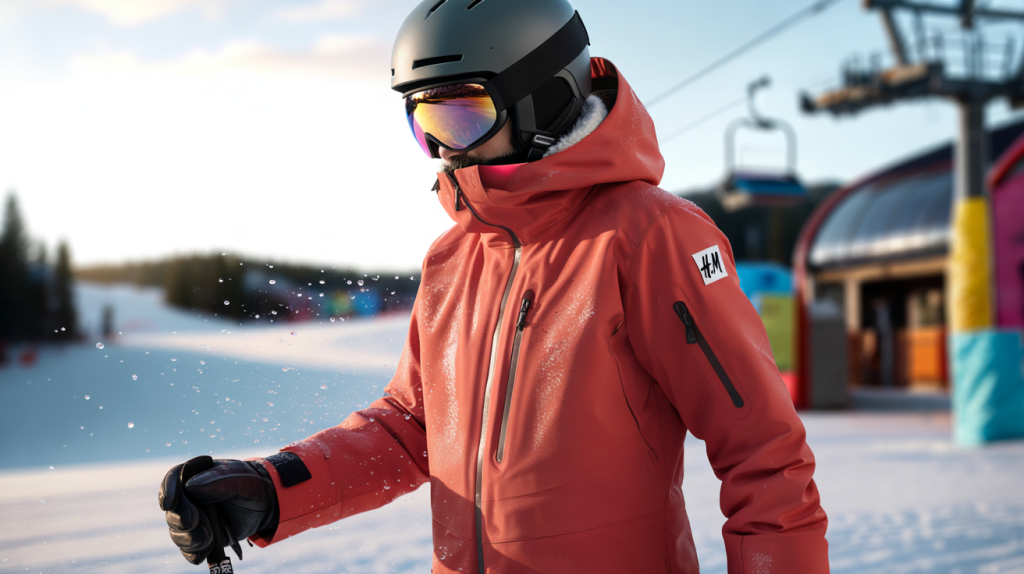
Thinking about H&M ski clothing? Here is what to expect on tech, fit and sustainability, with real numbers and a punchy checklist before you click buy.
H&M ski clothing right now: what shoppers actually get
Searching for “Vêtements de ski H&M” means two things: warmth that looks good and prices that do not sting. H&M leans into resort-friendly jackets, insulated pants and base layers that cover most on-piste days, with designs that pair easily with streetwear once the lift stops turning.
The retailer places its performance offer under H&M Move – the active line launched in August 2022 – alongside cold-weather pieces from the main collection. Expect water-repellent finishes, recycled-poly shells and practical details like snow skirts or adjustable hoods, built for groomers rather than high-alpine epics. For many winter trips, that is exactly the point.
Waterproofing, warmth and breathability: the tech behind H&M ski wear
The fastest way to judge performance is to read the product specs. Look for a water column rating in millimeters – the higher, the better the waterproofing. REI Co-op lists common snow-sport ranges at 5,000 to 20,000 mm for water resistance and roughly 5,000 to 20,000 g for breathability per 24 hours, which suits everything from light snow to storm days on groomed runs (REI jacket guide).
Insulation explains the warmth story. Many fashion-forward ski pieces use synthetic fills that keep insulating when damp and dry quickly. Pair that with a moisture-wicking base layer and a fleece or light puffy on colder days – layering lets one outfit flex across different resorts and months.
Construction details matter on the hill. Fully taped seams, a powder skirt, a helmet-compatible hood and wrist gaiters help keep out spindrift. Venting zips under the arms or along the thighs dump heat on sunny laps. When a product page lists these, the garment usually punches above its price.
Sustainability facts: H&M materials and chemicals policy
H&M Group banned per- and polyfluorinated chemicals in production back in 2013, replacing them with alternative durable water-repellent finishes (H&M Group chemicals). That is a clear plus for anyone wary of old-school DWR coatings.
On materials, the company targets 100 percent recycled or more sustainably sourced textiles by 2030. In its 2023 reporting, H&M Group stated that 85 percent of fibers used came from recycled or other more sustainably sourced origins (2022: 84 percent) (H&M Group materials). For ski pieces, that often means recycled polyester shells and linings without sacrificing everyday durability.
Another practical angle: care and lifespan. PFC-free DWR can be refreshed at home with wash-in or spray-on proofers when water stops beading – a simple step that keeps a jacket performing season after season. Small habit, big payoff.
How to pick the right H&M ski outfit
Different trips ask for different fabrics and features. A quick checklist keeps the choice sharp and avoids buyer’s remorse.
- Match the setting : for lift-accessed resort days, aim for water column around 10,000 mm and moderate insulation; for slushy spring laps, prioritize breathability and vents.
- Layer smart : start with a synthetic or merino base, add a mid-layer if temps drop, then top with the H&M shell or insulated jacket you like.
- Scan features : helmet-ready hood, powder skirt, cuff gaiters, pit zips, pass pocket – the small things add up on cold chairs.
- Check sustainability notes : look for recycled content and PFC-free water-repellent finishes, consistent with H&M’s 2013 chemicals policy.
- Fit for movement : bend, reach, crouch. Sleeves should not ride up, hem should overlap the pants’ waist, and the hood should turn with the head.
- Plan care : gentle wash, restore the DWR when wetting out, and store fully dry to extend life and performance.
One more thing that shoppers often miss: sizing for layers. If a warm puffy sits under the shell at home, the slopes will feel easier and the jacket will not feel tight after lunch. Sounds basic, yet many still buy too snug and then recieve a chilly surprise in the wind.
For timing and availability, H&M drops cold-weather sport styles each fall, with fresh colors as winter peaks and sale periods around late November and January. The brand’s PFC-free finishes and rising share of recycled materials provide a grounded baseline, while REI’s performance numbers give a clear target for waterproofing and breathability. Put both together, and choosing “Vêtements de ski H&M” becomes a straightforward, good-value move for regular resort days.
Sources : H&M Move launch – August 2022 | H&M Group chemicals policy | H&M Group materials and targets | REI – ski and snowboard jackets explained