
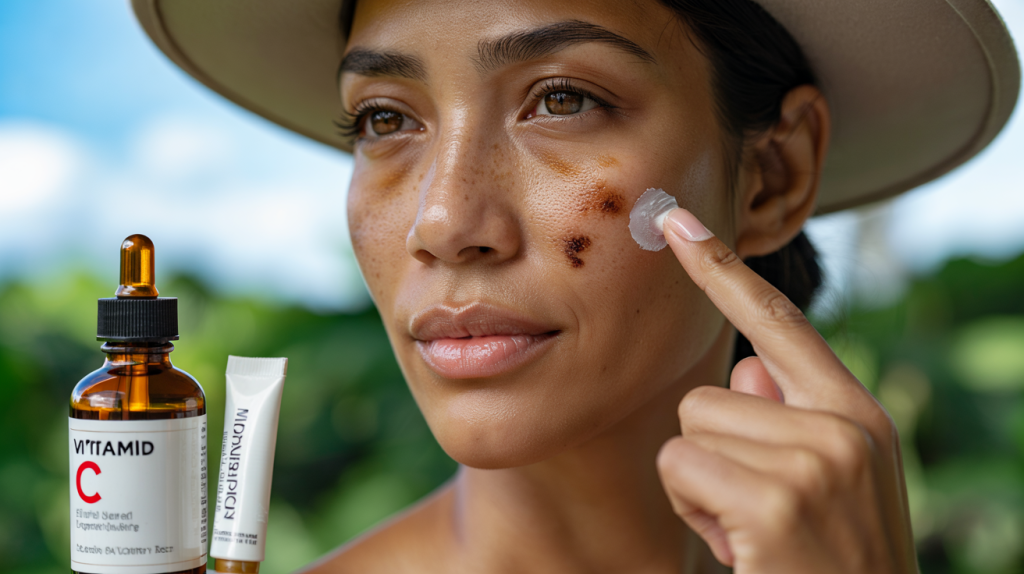
Brown patches that linger after acne, pregnancy, or too much sun can feel unfair. Hyperpigmentation is common, persistent, and very treatable when the plan is precise. The short version: daily broad spectrum sunscreen, targeted ingredients that interrupt pigment, and patience measured in weeks rather than days.
The science is clear on one non negotiable. Sun protection sets every result in motion. The American Academy of Dermatology reports SPF 30 filters about 97 percent of UVB, while SPF 50 reaches about 98 percent. That single percent matters for relapse prone melasma and post acne marks. Build from there with actives or procedures that fit skin tone and the type of spot.
Hyperpigmentation and dark spots treatment: start with the cause, then target the spot
Most dark spots come from excess melanin made by over stimulated pigment cells. Triggers differ. Acne inflammation, hormonal shifts like pregnancy related melasma, eczema flares, and ultraviolet exposure each push pigment in their own way.
Dermatologists aim for two goals. Stop new pigment first, then fade what already sits in the upper layers of skin. That is why sunscreen and shade habits run alongside brighteners, not after them.
People with deeper skin tones often face longer lasting marks from acne. Studies have documented a high burden of post inflammatory hyperpigmentation in patients with skin of color following breakouts, making prevention and gentle care vital to avoid new discoloration.
Active ingredients that fade discoloration: from vitamin C to prescription hydroquinone
Topical formulas work when they are consistent and layered smartly. Vitamin C brightens by neutralizing free radicals and slowing pigment formation. Azelaic acid helps both acne and uneven tone. Niacinamide supports the skin barrier and reduces the transfer of pigment to surface cells.
Retinoids increase cell turnover so spots look lighter as fresh skin rises. They also help other ingredients penetrate. Start low, go slow, and buffer with moisturizer to reduce sting or peeling.
Hydroquinone remains the reference prescription for melasma and stubborn spots. In the United States, over the counter hydroquinone was removed from shelves in 2020 after the CARES Act, which means access now goes through a clinician who can guide duration and monitor response. Most doctors limit continuous use and rotate with non hydroquinone options to maintain gains.
Sunscreen details matter. Choose broad spectrum SPF 30 or higher, reapply every two hours outdoors, and combine with a hat and shade. The AAD guidance on SPF performance explains why: that last percent toward SPF 50 can help reduce setbacks in sensitive conditions like melasma.
Peels, lasers and devices: when brown spots turn stubborn
Chemical peels with glycolic or salicylic acid can lift pigmented cells in a controlled way. A series spaced weeks apart suits post acne marks and some melasma, with strict photoprotection before and after each session.
Lasers and light devices demand nuance since heat and light can backfire on darker skin tones and trigger fresh pigment. Fractional non ablative options, picosecond lasers, or intense pulsed light may be considered only with an experienced clinician who treats a wide range of skin tones.
Costs vary by technology and region. The American Society of Plastic Surgeons reported average physician fees in 2022 of 2,509 dollars for ablative laser skin resurfacing and 1,445 dollars for non ablative treatments. Pigment specific sessions can differ, yet these figures help frame a realistic budget.
For widespread melasma, off label oral tranexamic acid has drawn attention in dermatology clinics. Randomized studies published in peer reviewed journals showed improved melasma severity compared with placebo when used under specialist supervision. This option is not for everyone and requires screening for clotting risks.
Routine, timing and mistakes that slow progress
Hyperpigmentation improves in steps, then plateaus. Progress usually looks slow in the mirror, then suddenly obvious in photos taken a month apart. Rushing often causes irritation that restarts the pigment loop.
Here is a simple, dermatologist style routine that respects that rhythm and reduces setbacks.
- Morning : gentle cleanse, antioxidant serum like vitamin C, moisturizer, broad spectrum SPF 50. Add a hat and seek shade at midday.
- Evening : cleanse, retinoid three nights weekly then increase as tolerated, alternate with azelaic acid or niacinamide on off nights, moisturize.
- Spot care : prescription hydroquinone or a compound cream for limited cycles if directed by a clinician.
- Procedures : consider light chemical peels or device treatments only after two to three months of consistent topical care.
- Lifestyle : avoid picking acne or bug bites, use non comedogenic makeup, photograph progress every four weeks under the same light.
One last piece fits the puzzle. Skin has memory. Even when a patch fades, the cells that made extra pigment can react again. That is why maintenance, especially sunscreen and a few nights of retinoid or azelaic acid, keeps results steady.
For anyone hesitating on where to begin, start with protection and one brightening serum. Add a retinoid once skin feels calm. If spots resist or melasma spreads, consult a board certified dermatologist about prescription options and procedures suited to your skin tone. Results are definitly within reach, just not overnight.
Sources : American Academy of Dermatology Association, “Sunscreen FAQs” and “Dark spots on skin”, accessed 2023. U.S. Food and Drug Administration, CARES Act provisions on over the counter drugs, 2020. American Society of Plastic Surgeons, 2022 Statistics Report.