
Clear résumé of Fitzgerald’s “La Fêlure” and how it connects to Charlotte Casiraghi’s public work in philosophy, with dates and facts that cut through the noise.
Searches spike for “La Fêlure Charlotte Casiraghi résumé”. Here is the straight answer that saves time. “La Fêlure” is the French title of F. Scott Fitzgerald’s confessional essays “The Crack-Up”, first published in Esquire in 1936. Charlotte Casiraghi, known for her work around philosophy and emotions, often moves in the same territory of vulnerability and resilience, which explains why the terms get paired.
Readers come looking for clarity. So the essentials land first. Fitzgerald’s text unpacks personal collapse and a way back to lucidity. Charlotte Casiraghi, born 3 August 1986, has built a public cultural life that keeps asking how we think and feel in the open. Different authors, same fault line explored, which is the likely source of the confusion.
La Fêlure by F. Scott Fitzgerald: the essential summary
After a turbulent mid 1930s, Fitzgerald wrote three pivotal essays for Esquire in February, March and April 1936. The French title “La Fêlure” captures his central image, the tiny crack running through a life that suddenly shows. He describes exhaustion, loss of illusions, and the slow reordering of values when glitter fades.
The pieces mix diary tone and report. Work stalls, friendships strain, money runs thin, yet a cold clarity arrives. Creativity does not vanish, it changes tempo. The writer maps limits with unusual precision. Readers still cite those pages for their honesty and the way they strip success of theater.
In book form, “The Crack-Up” later gathered those essays with notes and letters, setting the 1936 core in a broader frame. The backbone remains the same. A man names a fracture, then learns what can still hold.
Quick snapshot, if time is tight :
- Context : essays printed in Esquire in 1936, during a personal and professional low.
- Theme : admission of breakdown, inventory of losses, search for a leaner self.
- Tone : candid, unsentimental, almost diagnostic.
- Legacy : a reference point for writing about burnout and recovery.
Charlotte Casiraghi résumé : key dates, books, and roles
Charlotte Casiraghi grew up in Monaco, studied philosophy in Paris, and chose a cultural path that blends ideas, books and public conversation. She launched Les Rencontres Philosophiques de Monaco in 2015, a platform that programs talks, an annual prize and publications around living philosophy.
In 2018, she co wrote “Archipel des passions” with philosopher Robert Maggiori, published by Seuil. The book moves through jealousy, joy, fear, anger, desire, and other states that steer choices. It reads like a compact atlas of emotions, built for readers who want concepts grounded in daily life.
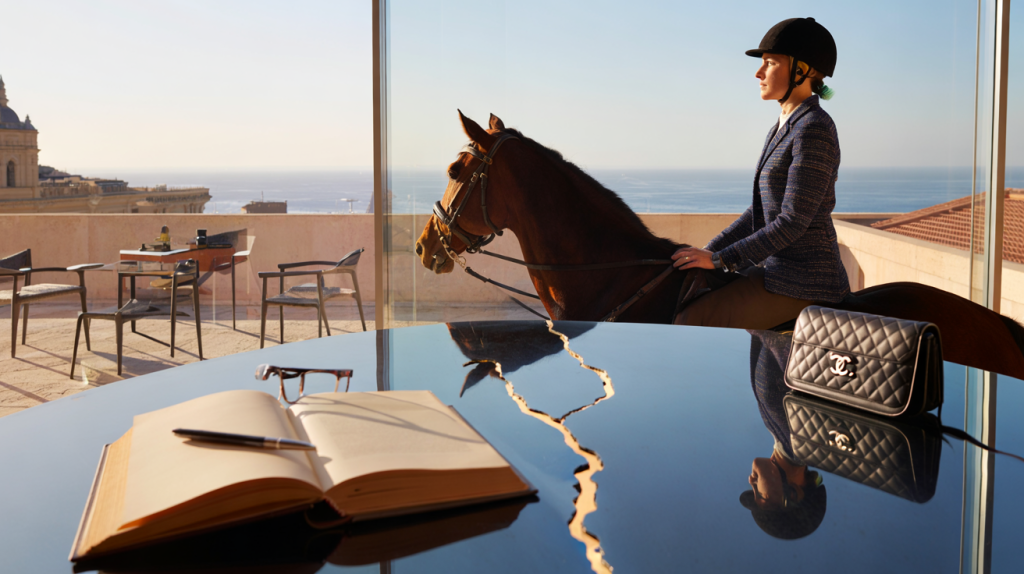
Her public life also includes fashion and patronage. Chanel announced her as ambassador in late 2020 for 2021 campaigns, and in January 2022 she opened the Chanel Haute Couture show in Paris on horseback, a moment widely covered by global media. She married film producer Dimitri Rassam in 2019. Children : Raphaël, born 17 December 2013, and Balthazar, born 23 October 2018.
Where the two meet : fragility in plain sight
So why do people search both names together. The link is thematic, not authorial. “La Fêlure” stands for the crack we try to understand. Charlotte Casiraghi’s projects keep returning to similar questions, from the role of emotions in public debate to how a person holds together in demanding times.
Events hosted by Les Rencontres Philosophiques de Monaco since 2015 put thinkers and audiences in the same room and let them test ideas without jargon. The method stays simple. Name a tension, then work through it with tools from philosophy and literature. That is where Fitzgerald’s vocabulary often helps readers frame the discussion, even when the program speaks in different terms.
The result is practical. Readers who discover “La Fêlure” can slide to Casiraghi’s work and find a contemporary setting where fragility is examined with method, not myth. And those who start with her book “Archipel des passions” can go back to Fitzgerald to see how a personal narrative sharpens those abstract lines.
How to read next : a short, effective path
Start with the Esquire trio from 1936 that anchors “La Fêlure” in real time. Then pick the modern book edition that collects the essays and contextual materials. This gives a clean timeline and keeps the voice intact.
Move to “Archipel des passions” from 2018 to map the emotional vocabulary. Pair chapters on fear or jealousy with current moments in your day, not just theory. That makes the text stick. Next, watch a session from Les Rencontres Philosophiques de Monaco, which has run every year since 2015. The format shows how ideas breathe among people, not only on the page.
For readers who want one evening plan, this sequence works. One hour with the 1936 essay “The Crack-Up”. Thirty minutes skimming two chapters from “Archipel des passions”. One talk from the Monaco series to hear a live exchange. That mix gives history, analysis and a living conversation. It is simple, and it does the job without fluff, even if the schedule gets a bit tought.