
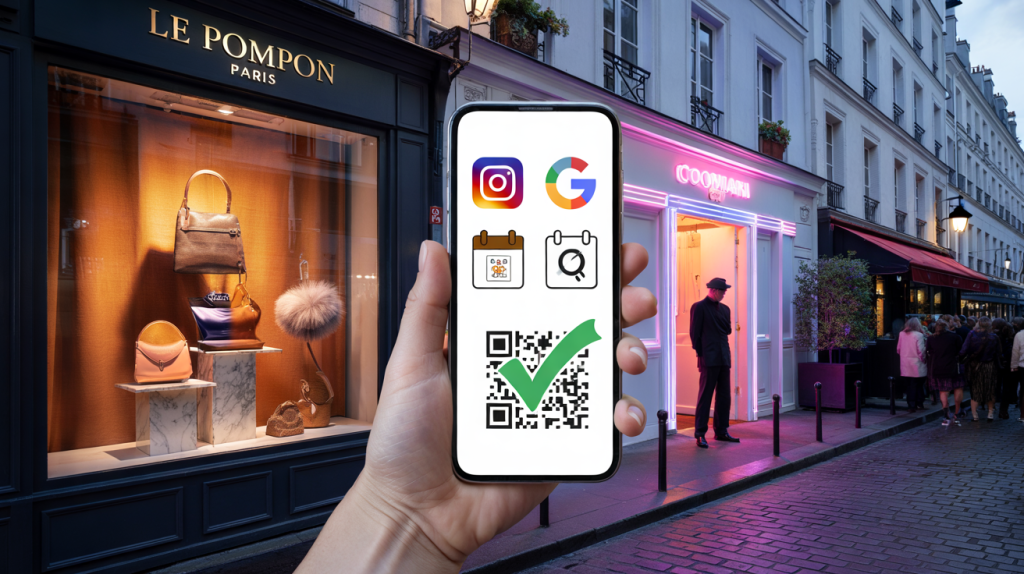
Typed “Le Pompon Paris” and fell into a maze of links, maps and photos that do not quite match each other. The name circulates on Instagram, Google and word of mouth, yet it often points to different places or projects, sometimes a boutique vibe, sometimes a nightlife spot. The result is classic: plans made, friends ready, and a last‑minute doubt about the right door.
Here is the fix. This guide pares down the confusion, shows how to confirm the exact location or account, and gives practical checks before heading out. The method relies on transparent signals from official listings and platforms that updated their data recently, not guesswork.
Le Pompon Paris at a glance, without the confusion
Two realities often carry that same name in Paris. One points to a fashion or accessories identity using the pompon code, the other to a social venue feel, sometimes tied to parties or pop‑ups. Both formats exist in the city, and both tend to move faster than static directories.
Because the label or venue may have shifted, the fastest path is verification. Platforms publish hard numbers and dates that help you cross‑check, and they are public. The goal: match the official name to a current address, opening hours and, if relevant, ticketing or e‑shop details before you step out.
How to verify the right Le Pompon in Paris
Start with official identifiers. In France, a company’s SIREN number has 9 digits and the SIRET has 14 digits, both managed by INSEE. When a site or footer displays those, you gain a legal trace that ties the brand name to a real entity and a precise address.
Then, use platform signals that are built for recency. Meta reported in 2023 that Instagram reached about 2 billion monthly active users, which means brand and venue updates land there first. Check the latest three posts and Stories for dates, addresses and event times, not just vibes.
For maps, scale helps. Google said in 2019 that Google Maps listed more than 200 million places globally, so duplicates do happen. Look for the green check mark on a “Verified” business profile, read the last customer photos with their upload dates, and compare opening hours across Maps and the official website.
What experience to expect under the Le Pompon Paris name
When the name points to a fashion identity, expect a tactile moment. Small Paris houses favor tight drops, limited colors, short runs and a made‑nearby story that often leans on workshops in France, Portugal or Italy. Product pages tend to show materials and care instructions first, not only lifestyle shots, and newsletters announce micro‑restocks rather than big seasonal waves.
If the name refers to a social venue, think compact spaces, curated sound and a playful dress code. Programming is usually published week by week, sometimes day by day during busy months. Guest lists or early tickets might open 48 to 72 hours ahead, then close quickly once capacity is hit. Photos posted the morning after an event confirm that you are looking at the right room, with the right crowd, right now.
There is also the pop‑up factor. Paris retail has long used temporary addresses, especially in Le Marais and around Saint‑Germain. Those runs are short, often under 30 days, with precise time slots and click‑and‑collect windows that shift during fashion weeks. Screenshots age fast, so rely on the posted calendar, not old pins.
Practical steps to find, book, or shop the right Le Pompon Paris
Before heading out or clicking buy, run a quick checklist that takes five minutes and saves an evening:
- Match the brand or venue name to a 9‑digit SIREN or a 14‑digit SIRET on the official site footer, then compare the address line.
- On Instagram, open the profile link in bio, read the two most recent posts for dates and opening hours, and check the Story Highlights labeled “Info” or “Tickets”.
- On Google Maps, read the latest photo timestamps and the “Updated by business” note on hours, then scroll reviews from the last 30 days only.
- If it is a pop‑up, look for a start and end date on the poster image, plus a calendar URL. No dates, no trip.
- For events, confirm door policy in the event description and keep a screenshot of the QR ticket that shows the date and the time window.
Why this works: you align three independent sources, legal registry, social updates, maps recency. When all three agree on the same spelling, address and time, the probability of a wrong turn drops sharply. And if one element is missing, it flags a need to DM the account or call the listed number before taking the metro.
One last thing many skip, the newsletter or SMS alert. Brands and venues in Paris often announce last‑minute changes by email or text within the final 24 hours, which is where a surprise restock or a door time shift is usually shared first. Subscribing for a month costs nothing, and that tiny alert can be the difference between getting in and arriving after the list closed.