
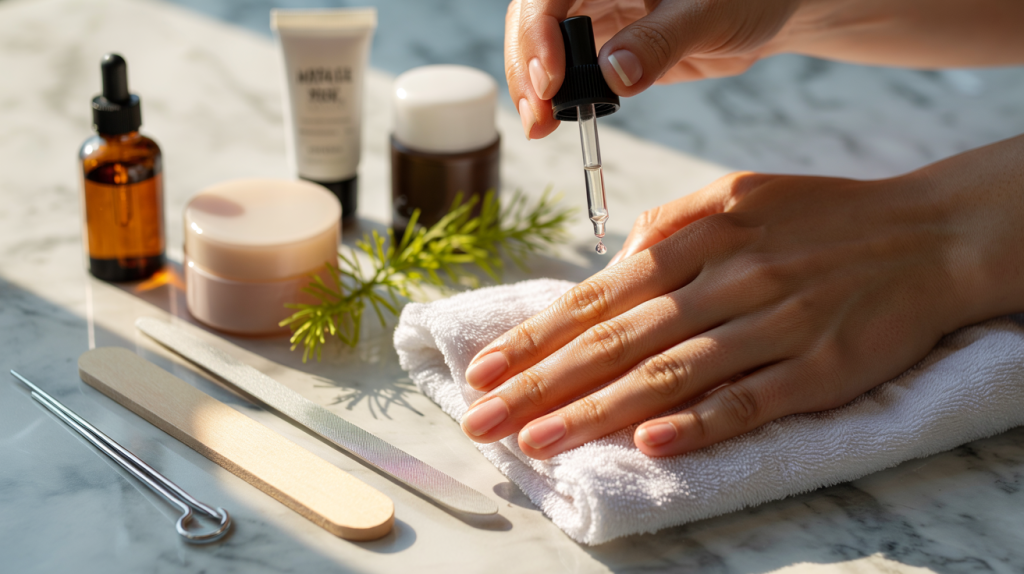
Manucure sans vernis is not a trend, it is a reset. Clean, luminous, resilient nails without a drop of color give the same pulled together vibe as a fresh white shirt, and they survive typing, dish duty and travel. The goal is simple: a natural mirror shine, neat contours, and strong tips that do not peel.
There is also science behind the switch. The American Academy of Dermatology Association says fingernails grow about 3.5 millimeters per month, and a new nail usually takes 4 to 6 months to replace the old one. That slow cycle means every harsh remover session or cuticle cut lingers. Going polish free for a while reduces those hits and saves money too. Industry data from Nails Magazine in 2019 put the average United States price of a basic manicure at 22 dollars, week after week that adds up fast.
Manucure sans vernis: what it is and why it looks so chic
The idea is to make the nail plate itself the finish. No lacquer, no gels, just precise shaping, a soft buff for light reflection, nourished cuticles, and a breathable protective layer like a light oil or a water based top coat alternative if you prefer. The look reads minimal yet intentional, and it suits every dress code, from healthcare to finance.
Common frustration shows up the same way. Nails peel at the tips, polish chips within days, cuticles fray. When color is removed, nails feel rough and dull. A polish free routine solves the base problems first, then brings back gloss with care, not with layers.
Facts that matter: growth, cuticles, and sun care
Cuticles are not decoration. The American Academy of Dermatology Association advises not to cut them because they seal the nail unit against bacteria and irritants. Pushing them back gently after softening is the safer move.
Shine does not require chemicals that harden under lamps. If skin is sensitive, skipping acrylates used in some gel systems lowers the risk of contact allergy, an issue dermatology clinics have documented rising in the last decade. The slow regrowth timeline from the AAD explains why being gentle today pays off for months.
Hands also age under the sun. The AAD recommends daily broad spectrum sunscreen of SPF 30 on exposed skin, including the backs of hands. That habit helps prevent pigment spots and collagen loss that make nails and hands look tired next to each other.
Hand hygiene is here to stay. The World Health Organization recommends washing with soap and water for at least 20 seconds. That frequency can strip oils. The Centers for Disease Control and Prevention notes alcohol based sanitizers can dry skin, so following with a moisturizer that contains petrolatum, glycerin or shea butter keeps nails and cuticles flexible instead of brittle.
Step by step: an at home manucure sans vernis routine
Plan 15 to 20 minutes, then repeat weekly. The rhythm is easy.
- Clean: Wash hands, then briefly soak fingertips in lukewarm water for two minutes. Pat dry.
- Shape: Clip only if needed, then file in one direction to a soft square or oval. Stop before heat builds.
- Cuticles: Apply cuticle remover or a drop of oil, wait one minute, then push back gently with a wooden stick. Do not cut.
- Buff: Use a three sided buffer. Smooth ridges with the finest side, then polish lightly until a soft reflection appears.
- Hydrate: Massage a pea size amount of hand cream into nails and cuticles. Add a drop of cuticle oil to seal.
- Finish: For extra gloss, use a breathable nail serum or a water based shine coat. Let it dry, then reapply oil.
Keep the glow: habits, mistakes, and quick fixes that work
Observation helps. If tips keep peeling, the file might be too rough or moving back and forth creates micro tears. Switch to a fine grit and file in a single direction. If ridges are visible, buff only the high points and keep it light to avoid thinning.
Real life gets messy. Dishwashing, gardening, weightlifting, all of that bends keratin. Wear thin gloves for wet chores. Apply cuticle oil after sanitizer at the desk, tiny drop, quick rub, no mess. That tiny move pays rent in shine.
Nutrition plays a supporting role. The American Academy of Dermatology Association notes that most people get enough biotin from a normal diet and that supplements may help brittle nails in some cases, but evidence remains limited. Stay cautious with pills, and focus on a balanced plate with protein, iron and varied fruits and vegetables.
One last thing changes outcomes fast. Build a small kit by the sink or in a makeup bag so care happens in the flow of the day. A file, wooden stick, pocket hand cream, and cuticle oil are enough. Seven days later, the surface looks definitly smoother, and by the 4 to 6 month mark that the AAD cites for full regrowth, nails feel stronger even without color. That is the quiet luxury of manucure sans vernis, and it lasts.