
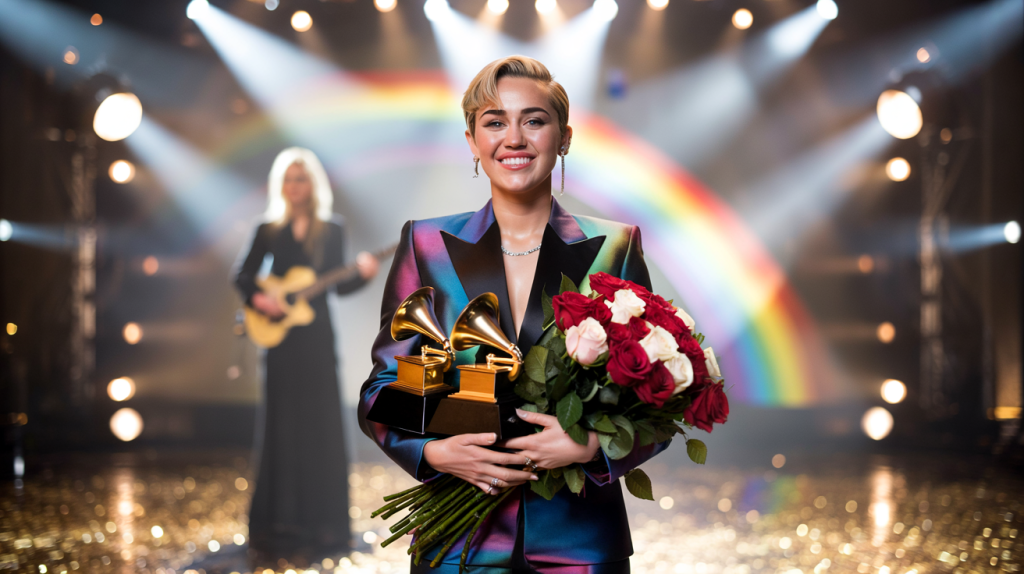
The public affirmation of identity is rarely neat, and Miley Cyrus makes that clear. From the 2015 moment she publicaly shared being pansexual to a career peak with two wins at the 66th Grammy Awards in February 2024 for “Flowers”, the thread is consistent: live out loud, reshape the narrative, let the music follow. For fans typing “Miley Cyrus identity” today, this is the arc that answers it.
There is context, and it lands fast. Miley Cyrus, born on 23 November 1992, moved from the 2006 launch of “Hannah Montana” to a self-directed adulthood that challenged labels. In interviews with Elle UK in 2015 and Variety in 2016, Miley Cyrus spoke openly about sexuality and gender expression. Then came an era of creative control, a foundation for LGBTQ and homeless youth in 2015, a streaming record with “Flowers” in January 2023, and high-profile recognition in 2024. The message has been steady, not sudden.
Miley Cyrus identity: milestones, statements, and a public facing timeline
Names matter. Destiny Hope Cyrus legally became Miley Ray Cyrus in 2008, years before the artistic pivot that would turn the page on a Disney past. The name change signaled agency, later matched by choices that put Miley Cyrus at the center of her own story.
Visibility followed. In 2013, Miley Cyrus’ MTV Video Music Awards performance reset how pop culture talked about her, shifting attention from “Hannah Montana” to a fully adult artist. That same year, “Wrecking Ball” hit No. 1 on the Billboard Hot 100, proving reinvention can also be commercial.
In 2015, Miley Cyrus told Elle UK she identifies as pansexual. That year she launched the Happy Hippie Foundation to support LGBTQ and homeless youth through programs and collaborations, using “Backyard Sessions” to raise funds and awareness. A year later, Variety published an interview where Miley Cyrus described feeling beyond rigid gender boxes, giving language to a journey fans had watched evolve in real time.
Music as affirmation: “Flowers”, streaming records, and the Grammys
Fast forward to 2023. “Flowers” arrived and lit up the metrics. Spotify announced the track set a new single-week global streaming record in January 2023, and the single quickly topped charts in multiple countries. It was not just a hit; it sounded like self-possession set to a chorus people could sing on the way to work.
Recognition came next. On 4 February 2024 at the 66th Grammy Awards in Los Angeles, Miley Cyrus won Best Pop Solo Performance and Record of the Year for “Flowers” and delivered one of the night’s most replayed moments. The wins mattered for music history and also for narrative: a mainstream institution saluted a song about radical self-reliance.
The pattern holds. From “Bangerz” in 2013 to “Younger Now” in 2017, “Plastic Hearts” in 2020, and “Endless Summer Vacation” in 2023, Miley Cyrus kept switching gears without apology. A Disney+ special, “Miley Cyrus – Endless Summer Vacation (Backyard Sessions)”, released in March 2023, threaded personal memories with new performances, letting the audience connect dots between identity and craft without the usual noise.
Why this affirmation resonates: language, choices, and the cultural moment
When a celebrity spells out identity, the risk is simplification. Miley Cyrus avoids that by tying words to action. Philanthropy since 2015, genre swings that mirror internal shifts, and clear statements in major outlets make the portrait coherent. Dates and outcomes line up, which is why searches spike each time Miley Cyrus reframes a chapter.
There is also the simple fact that the music is catching up with the life. “Flowers” works because it translates a complicated path into a hook that feels like a mirror: love yourself, buy your own roses, keep moving. Then the industry nods, and suddenly two Grammys make the case to the world that this is not just personal growth but pop excellence.
So what changed across the years? Control. Miley Cyrus took control over who gets to define Miley Cyrus, publicly and repeatedly, from 2008’s legal name change to the 2015 pansexual reveal and the 2024 Grammy stage. The missing piece for many was confirmation from the most traditional gatekeepers. Now that box is checked. The rest – interviews, foundation work, release dates, records – has been in plain sight, showing an identity affirmed not by one headline but by a long, documented line of choices.