
Posts claiming a “Pam Hogg cause of death” spiked across social feeds, triggering worry among fashion fans and culture watchers. Here is the state of play: no credible, publicaly verified confirmation that designer and artist Pam Hogg has died, and no official cause of death has been issued by family or representatives.
In cases like this, confirmation typically appears quickly from established outlets and official channels. Obituaries and statements from recognized publications or the British Fashion Council usually surface the same day when a major cultural figure passes. That has not happened. Until a formal statement is released, any claimed cause remains unverified and should be treated as speculation.
What is actually known about Pam Hogg and the alleged “cause of death”
The online chatter centers on an unconfirmed claim, not a documented event. No record from recognized newsrooms or official accounts has provided evidence of Pam Hogg’s death. Without that, there is no factual basis to report a cause, circumstances, or timeline.
Pam Hogg’s name trends for a reason: the Scottish-born designer is a fixture in pop culture, known for bold catsuits and stage looks worn by global artists. When such a name appears next to the words “cause of death”, the phrase alone can drive clicks and confusion. That dynamic makes clear, sourced confirmation essential before repeating details.
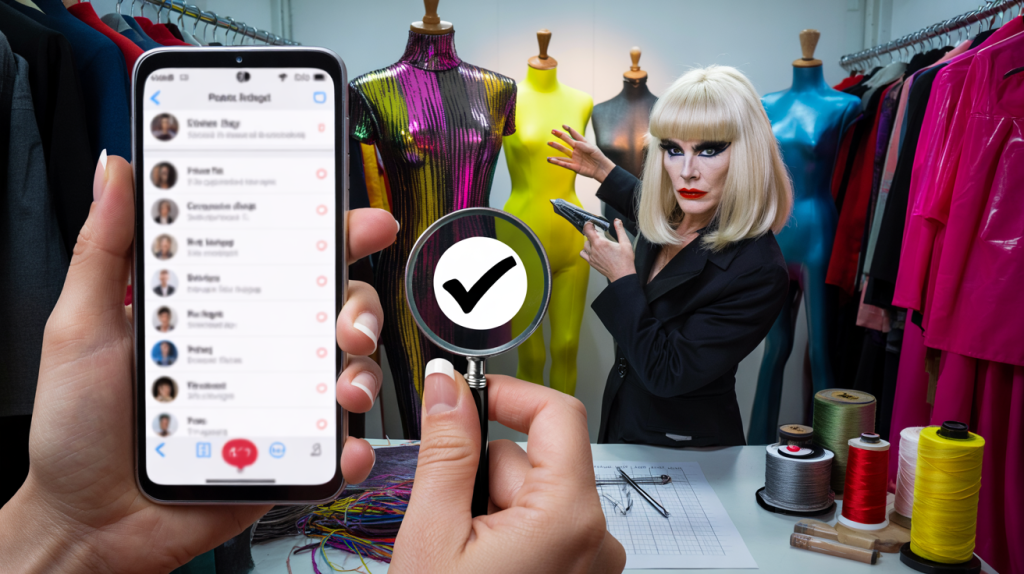
Best practice is simple. Look for a direct statement from immediate family, a confirmed representative, or a notice from reputable outlets that identify their sources. Anything else is noise. Screenshots without provenance, AI-generated images, or accounts with no history of accurate reporting do not meet that bar.
Why false death reports spread so fast online
Speed, novelty, and emotion do the work. A landmark study by Massachusetts Institute of Technology published in Science on 9 March 2018 examined 126,000 rumor cascades shared by about 3 million people on Twitter across 2006 to 2017. The researchers found false news was 70% more likely to be retweeted than true stories, and it traveled farther and faster.
Celebrity death claims fit that pattern. They are surprising, they trigger immediate emotion, and they invite instant sharing. We have seen repeat cycles of death hoaxes target well known figures over the years, gaining millions of impressions before corrections can catch up. The playbook rarely changes, which is why verification habits matter.
There is another layer. Search spikes for terms like “cause of death” can elevate low-quality pages that chase keywords without sourcing. That feedback loop can make an unverified claim look unusually visible, even when it lacks any official confirmation.
How to verify updates on Pam Hogg through reliable sources
Start with provenance. Check whether a statement comes from an official representative, a publicist on record, or a verified family announcement. Reputable newsrooms cite those sources explicitly, with names and timestamps. If there is no named source, hold off.
Cross-check with trusted outlets that maintain standards and corrections policies. For a cultural figure like Pam Hogg, that commonly includes national broadcasters, established newspapers, and industry authorities. If multiple independent, reputable organizations publish the same confirmed details, the signal is strong.
Watch the timeline. Genuine announcements appear with clear dating, consistent language, and matching details across outlets. Unverified posts often change their claims within hours, delete earlier versions, or swap headlines to keep traffic. That pattern is a tell.
Until an official statement appears, the accurate answer to “Pam Hogg cause of death” is this: there is no confirmed report of her death, and therefore no verified cause to share. Should a formal announcement be released, responsible outlets will publish the details with attribution, and those updates will be plain to see.