
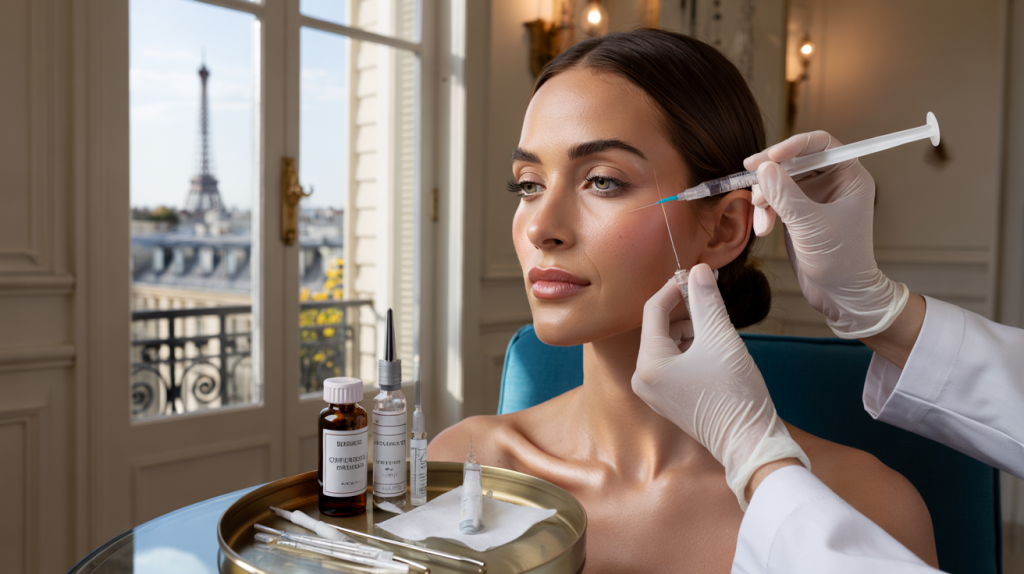
Thinking about smoother skin in Paris? This guide decodes médecine esthétique visage with facts, safety rules, trusted stats et a clear path to a natural result.
Paris has become a go to destination for subtle, non surgical face refreshes. Think refined jawlines, softer frown lines, skin that looks rested without looking done. That is the promise many clinics make when they talk about “médecine esthétique visage” in the French capital.
The interest is not a fad. The American Society of Plastic Surgeons reports 8.7 million botulinum toxin injections and 3.8 million soft tissue filler procedures in the United States in 2022, a strong sign that demand for quick, no scar options is rising. In Paris, the landscape blends medical rigor with beauty culture. Safe when performed by trained doctors, these treatments still raise questions about results, prices and rules. Here is what counts.
Why Paris leads in médecine esthétique visage
The city mixes medical expertise with a less is more aesthetic that many travelers and locals seek. Clinics focus on facial harmony over radical change, a style often associated with French dermatology and aesthetic medicine.
Regulation sets a clear frame. In the European Union, the Medical Device Regulation began full application on 26 May 2021, tightening oversight on devices such as hyaluronic acid fillers. Botulinum toxin received cosmetic clearance for frown lines by the U.S. Food and Drug Administration in 2002, a date practitioners still cite to underline a long safety track when used correctly.
That structure changes the patient journey. Most reputable Paris clinics book time for a medical evaluation, facial analysis, photography and a cooling off period for first time patients. The goal is predictability and consent, not a quick fix in a hurry.
Popular non surgical face treatments in Paris : what they do and how long they last
Botulinum toxin micro injections quiet muscle activity that creases the skin. Forehead lines, crow’s feet and the frown area are the classic trio. Effects usually appear after three to seven days and fade gradually around three to four months, depending on dose and muscle strength.
Hyaluronic acid fillers restore volume or definition. Cheeks, lips, tear troughs and jawline are common requests. The U.S. Food and Drug Administration product labels indicate duration varies by formulation and placement, often from six months to two years. Paris clinicians tend to layer small amounts to avoid a puffy look.
Skin boosters and mesotherapy aim at texture and glow. Micro doses of hyaluronic acid or vitamins are placed superficially to improve hydration. Results feel subtle, useful for dull or dehydrated skin, especially after winter.
Costs, safety, and the mistakes to avoid in Paris
Price is not a simple number because it depends on the product used, the amount, and the expertise you are paying for. Many clinics quote per area for toxin and per syringe for fillers. Lower than average offers often reflect less time spent on assessment or aftercare.
Three frequent missteps show up in consultations. Chasing a photo filter effect that does not match anatomy. Treating everything in one session without letting tissues settle. Choosing based on price alone instead of training and results photography. An empathetic doctor will slow the process, explain limits and propose a step by step plan that respects your face.
Safety sits on method. Sterile technique, slow injections, cannula use in high risk zones, and a visible stock of hyaluronidase to reverse fillers are non negotiable standards. The International Society of Aesthetic Plastic Surgery lists botulinum toxin as the top nonsurgical procedure globally in its annual survey, yet volume does not cancel risk. Vascular events with fillers are rare, but immediate recognition and reversal matter. Ask how the clinic would handle that exact scenario.
How to choose a Paris clinic et prepare your session
Credentials first. In France, acts of aesthetic medicine are performed by medical doctors such as dermatologists, plastic surgeons or physicians with recognized aesthetic training. Look for a full name on the medical board register, then check continuing education and hospital ties.
A simple checklist helps narrow the field.
- Review unretouched before and after photos shot in consistent light for your age and skin type.
- Ask which toxin or filler brand is used and why, and request to see the opened box with the batch number.
- Confirm there is hyaluronidase on site and a written protocol for complications.
- Plan calendar timing : avoid first sessions within two weeks of a major event.
- Budget for maintenance rather than a one time splurge, since effects are temporary by design.
On the day, communicate your non negotiables. For example, no change to lip shape, no frozen forehead, no shift in facial identity. A good practitioner will repeat these back to you and write them in the file. Expect redness or small bumps with injectables that typically settle within hours. Light makeup is usually allowed after a few hours, heavy workouts are generally skipped for the first day.
One last practical note. Location is worth thinking about. Central Paris addresses are convenient for reviews and touch ups, while slightly outside the center may offer longer appointment slots. What matters most is a clinic that treats you like a long term patient, not a quick sale. If a consultation feels rushed or your questions go unanswered, walk away et find a team that takes the time to adress them fully.