
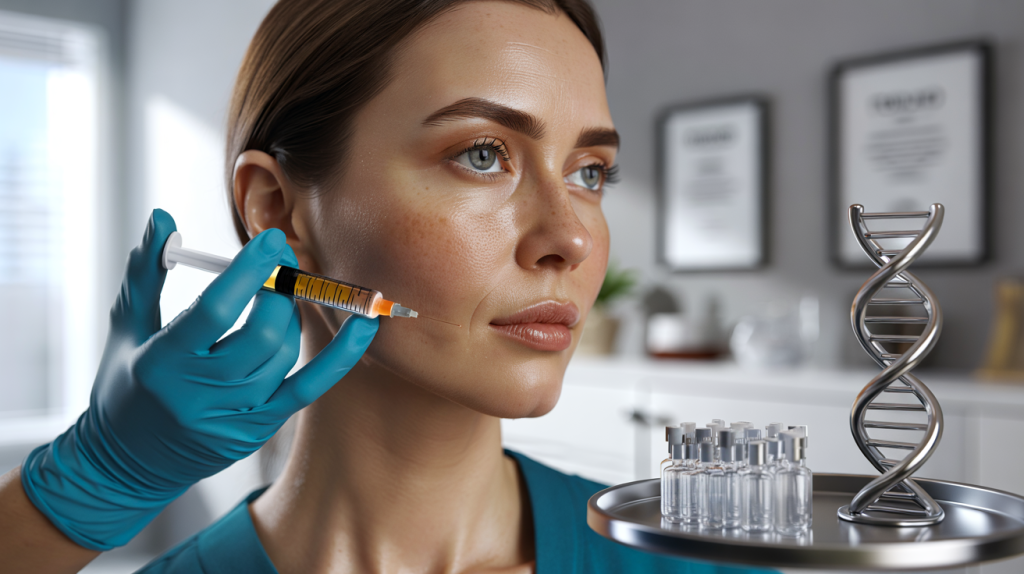
Curious about the new wave of skin boosters everyone whispers about in clinics and group chats. Polynucleotides, often nicknamed salmon DNA injections, sit at the crossroads of glow-boosting and true skin repair. They do not just plump. They aim to nudge tired skin into healing mode, which is why interest spiked among people who want fresher texture without looking filled.
Here is the short version for busy readers : polynucleotide skin boosters use purified DNA fragments to improve hydration, texture, and bounce. The ingredient activates pathways linked to tissue repair and calm. Early adopters report a more elastic, light-catching look that skincare alone rarely delivers. The treatment slots neatly between classic hyaluronic acid boosters and energy devices, and it targets quality of skin rather than volume.
What polynucleotide skin boosters are and how they work
Polynucleotides are long chains of DNA fragments, frequently sourced from fish, then ultra purified for medical use. In aesthetics, they are injected in micro threads across the dermis during short sessions. The concept : instead of adding bulk, signal the skin to repair and remodel.
Mechanism matters. Research showed polydeoxyribonucleotide, a form of polynucleotide, can activate the A2A adenosine receptor, a switch involved in angiogenesis and tissue repair. This was described by Giuseppe Galeano and colleagues in Journal of Translational Medicine in 2008. That pathway explains why users describe calmer redness, better hydration, and a gradual improvement in fine crepe lines.
These injectables sit in a regulated space in Europe. Under Regulation EU 2017/745, most injectable implants are classified as Class III medical devices, which requires robust quality and safety oversight. Several companies entered the category in recent years. Croma Pharma publicly announced the launch of its polynucleotide range PhilArt in 2022, a sign the trend moved from niche to mainstream in clinics.
Benefits, side effects, and the safety picture
Most people come for glow and texture. Many stay for the way makeup lays down and the more elastic feel when pinching the cheek. Results develop gradually across weeks as the dermis remodels. That slow burn appeals to those who want changes that look like better sleep, not obvious work.
Side effects are typically mild. Expect tiny blebs at injection points, light redness, maybe a day or two of tenderness. Bruising can happen, especially around the eye area where vessels sit closer to the surface. Allergic reactions appear rare due to high purification, yet a proper allergy and medical history remains non negotiable.
Regulatory clarity helps to set expectations. In the United States, the Food and Drug Administration had not approved polynucleotide injectables for aesthetic indications as of 2025 according to the FDA’s public device and drugs databases. That does not mean the ingredient lacks science. It means American patients often access these treatments outside the FDA pathway, for instance during medical tourism in the EU or parts of Asia, while Europe treats them as medical devices under the MDR framework.
Treatment plan, cost, and how long results tend to last
The usual plan looks familiar to anyone who tried skin boosters. A series of three sessions, spaced three to four weeks apart, builds the foundation. Each visit takes around 20 to 40 minutes. Downtime is usually a quiet evening with a clean pillowcase and minimal active skincare.
Maintenance sits at every four to six months once goals are met. People with thinner, photoaged skin often appreciate a touch up a bit sooner. Those with oilier or thicker skin may stretch intervals. Lifestyle plays a role : UV exposure, smoking, and sleep debt will shorten the honeymoon.
Cost lives in the premium booster bracket. Fees vary by city and product, yet the price per session often aligns with high quality hyaluronic acid skin boosters. Clinics bundle series since single shots do not show the full effect. Always ask for the exact product name on the box and the lot number on your consent form. It sounds fussy, yet it protects you if you ever need to trace a vial.
How to choose a clinic for polynucleotides and red flags to avoid
Experience beats hype. Look for a medical professional who already performs advanced skin quality work with HA boosters and energy devices. That foundation matters when mapping depth, volume per point, and post care. Ask for real patient photos under consistent light, not filters, and request a clear plan that fits your skin type and calendar.
If you like checklists, keep this on your phone before the consult :
- Exact product name, concentration, origin, and lot number recorded on your file
- Practitioner’s medical license and complication protocol clearly explained
- Plan for three sessions, spacing, and maintenance mapped in writing
- Total budget and what is included such as numbing and reviews
- Contraindications screened : pregnancy, active infection, autoimmune issues, keloid history
There are limits. Polynucleotides will not replace volume loss in cheeks, will not lift jawlines, and will not erase deep etched lines. They complement. Many clinics pair them with hyaluronic acid for hydration or with gentle lasers after a few weeks to smooth texture further. Strategy wins here, not a single miracle vial.
One last piece that often gets missed : source and science evolve. New formulations arrive, some combine polynucleotides with antioxidants or lidocaine for comfort. Keep an eye on updates from peer reviewed dermatology journals and from the European database of medical devices. A short pre treatment pause on retinoids can reduce irritation. Post treatment, skip saunas and hardcore workouts for 24 hours to let micro channels close, then return to smart skincare. Skin will recieve the glow, you keep the routine steady.