
Why Princess Diana’s “Elvis” dress by Catherine Walker still stops scrolls
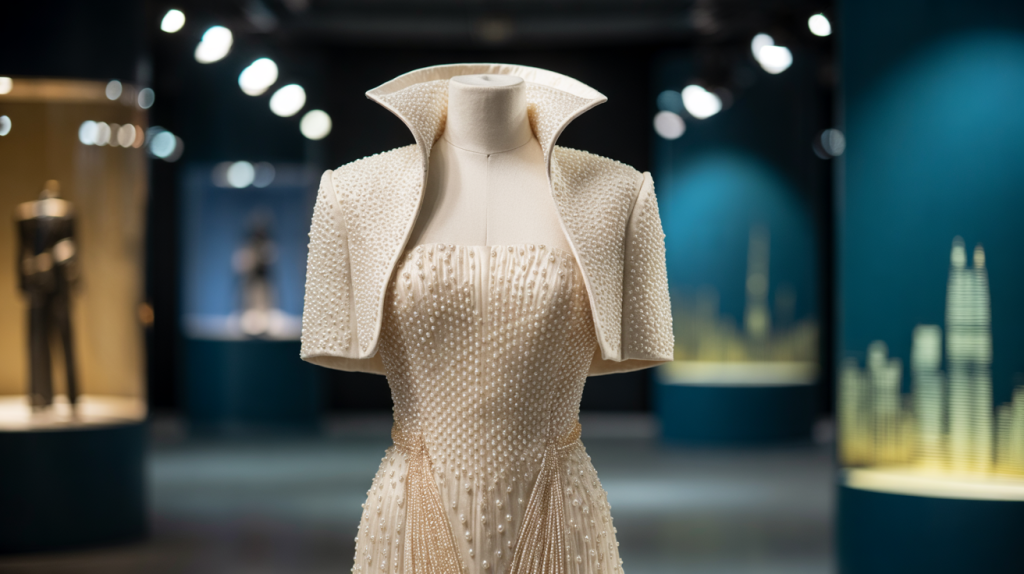
A white shimmer, a regal high collar, a tiny bolero that caught every flashbulb going. The Catherine Walker “Elvis” dress, worn by Princess Diana during the 1989 royal tour of Hong Kong, remains one of the most recognizable looks of her wardrobe. The nickname came fast for a reason : that upright, theatre-ready collar nodded to Elvis Presley’s stage suits, while the rest whispered old-school couture.
Searches spike whenever the gown reappears in an exhibition or archive shot. The essentials are straightforward : Catherine Walker designed the strapless silk gown with a matching pearl-embroidered bolero, and Diana used it to land a powerful fashion message abroad. It was diplomacy through sparkle, and it worked.
Catherine Walker, Princess Diana et the “Elvis” silhouette
Here is the heart of it : Catherine Walker built a visual language for Princess Diana from the early 1980s to the late 1990s, tailoring silhouettes that photographed flawlessly and traveled even better. The “Elvis” dress sits in that lineage as a showpiece that balanced modesty and magnetism.
The gown’s structure feels precise. An ivory, strapless column in silk, densely beaded with pearls and sequins, then topped with a cropped bolero that frames the face. The high, slightly flared collar gives the nickname its punch. Seen from the side, the collar creates a crown-like arc that reads royal in one glance.
What often gets lost is the practical thinking. The bolero let Diana adapt to air‑conditioned rooms and strong lighting, while the fabric choice kept the silhouette crisp under cameras. Catherine Walker’s atelier was famous for that kind of problem‑solving colaboration with clients.
From Hong Kong to museum displays : dates, numbers et where to see it
The dress debuted on the 1989 tour of Hong Kong, a trip packed with formal events and intense media attention. The imagery raced around the world overnight, and the nickname stuck in headlines soon after.
Catherine Walker became the most prolific designer in Diana’s public wardrobe across 16 years, shaping signature looks for tours, galas, and charity work. In June 1997, Princess Diana sent 79 dresses to Christie’s New York, an auction that raised 3.25 million dollars for AIDS and cancer charities according to Christie’s. That sale codified the cultural weight of her fashion, and the “Elvis” look was repeatedly cited in coverage as a benchmark of the era.
The gown has since appeared in major displays, including exhibitions at Kensington Palace curated by Historic Royal Palaces. When shown alongside sketches and press images, the design reads like a time capsule of late‑80s glamour that still feels fresh on a gallery mannequin. Institutions tend to rotate fragile, heavily embellished pieces, so appearances are periodic rather than permanent.
Key fast facts at a glance :
- Designer : Catherine Walker, London
- Year worn : 1989, during the Hong Kong royal tour
- Look : strapless ivory silk gown with pearl‑embroidered bolero
- Nickname origin : the high, sculpted collar echoing Elvis Presley’s stage costumes
- Legacy touchpoint : 1997 Christie’s charity auction of 79 dresses raised 3.25 million dollars
How to read the look today : styling cues, context et what still matters
The main idea is simple : this dress condensed soft power into a single frame. White reads diplomatic. Pearls read polished. The collar reads iconic. Put together, the image travelled across cultures without a word spoken.
Common misreads happen. People assume the piece was just about excess, when the cut is actually disciplined, almost minimal under the embroidery. Others think the Elvis reference was a playful one‑off. In reality, it was strategic image‑making : a contemporary twist that made a royal gown feel modern on arrival, not retro on departure.
A useful example sits in event photography from 1989. Under bright, cool lighting, the pearls lifted the face and the bolero framed the neckline, reducing shadow while keeping coverage. That practical elegance is why the look still photographs so cleanly in exhibitions and books.
So where does the fascination go next? Conservation teams continue to steward heavily beaded gowns with careful environmental controls, which is why the dress surfaces in curated bursts. When it does, visitors get more than nostalgia. They see a blueprint for message dressing that many public figures still follow : one strong detail, clear lines, and a story the camera can carry in seconds.