
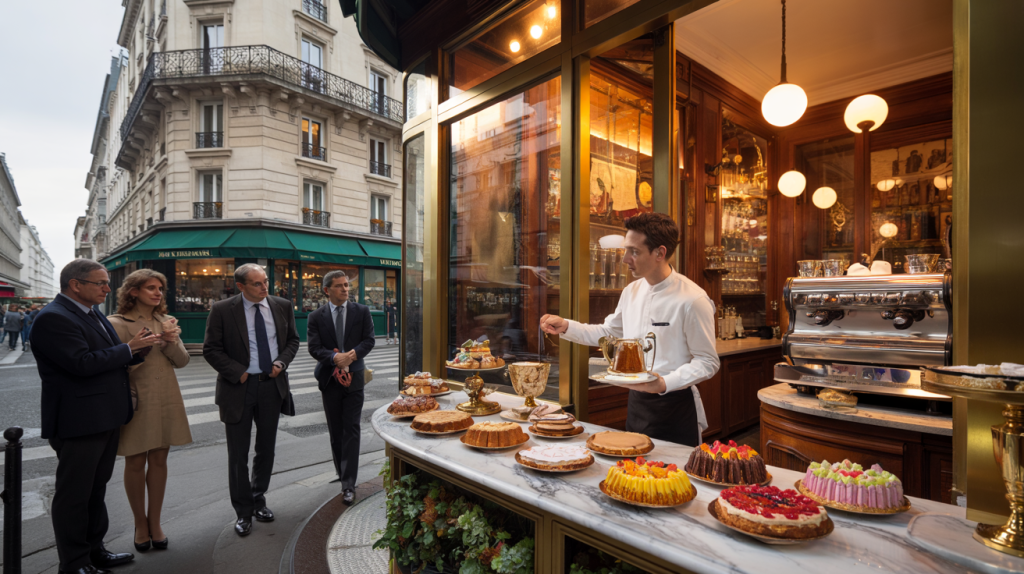
Paris gets a new ritual. Sant Ambroeus, the storied Milanese café founded in 1936 and a New York favorite since 1982, opens in the French capital with its first Paris address. That means espresso culture done the Italian way, a pasticceria counter that actually pulls crowds, and a dining room built for long conversations.
The move matters. Sant Ambroeus rarely expands without purpose, and its Paris debut signals a clear bet on the city’s appetite for elegant, everyday Italian food. Expect the brand’s signature rhythm from breakfast to late evening, a polished service style, and dishes that regulars in New York, Palm Beach and Aspen already know by heart.
Sant Ambroeus Paris opening: what is known and what to expect
The Paris opening brings the full Sant Ambroeus experience, not a lite version. The group consistently blends three spaces under one roof: a coffee bar for morning cappuccino and cornetto, a pasticceria with cakes and gelati, and a dining room serving Milanese classics all day. That format built loyalty for nearly nine decades and it travels well.
Menus usually spotlight vitello tonnato, cotoletta alla milanese and freshly extruded pasta. The dessert counter centers on classic torta, seasonal fruit tarts and gelato made on site. Service leans swift at the bar, slower and more conversational at the table. Paris will likely follow that cadence, which suits both quick business stops and long neighborhood lunches.
Design counts for this brand. Recent openings relied on warm woods, glossy marble, soft lighting and custom banquettes, a look developed over years with Italian artisans and New York architects. The Paris space is expected to echo that Milan meets uptown vocabulary, more salon than scene, built for comfort before spectacle.
From Milan to New York to Paris: a timeline that explains the buzz
Sant Ambroeus began in 1936 on a Milan corner where coffee culture set the tone for the day. Decades later, the first New York location opened in 1982, introducing a European café model that blended pastry counter, bar and dining room under one name. That hybrid became a blueprint long before it turned fashionable.
The brand’s steady growth shaped a loyal following across Manhattan and the Hamptons, then Palm Beach and Aspen in the 2010s and early 2020s. The common thread stayed intact: Italian craft, rigorous espresso, and a menu that respects regional classics rather than chasing trends. Paris now joins that arc, a logical step for a house with cross Atlantic roots.
The appeal also comes from consistency. Regulars return for the same cappuccino texture and the same veal cutlet year after year. In hospitality, that repeatable promise is rare, and it explains the anticipation around a Paris adress that taps both curiosity and nostalgia.
Practical notes for Parisians: timing, reservations, habits
Opening details roll out in phases, as usual for the group. The first wave typically confirms the address and concept, followed by reservation channels and hours. In other cities, bookings open online alongside a walk in policy at the bar and pastry counter, which helps early crowds find their spot without a long wait.
Mornings tend to be brisk. The coffee bar moves fast with espresso and cappuccino orders, while the dining room eases into lunch with a lighter menu before shifting to fuller Milanese plates at dinner. That flow spreads foot traffic across the day and reduces the pinch points that often define Paris openings.
For those planning the first visit, think in two beats. Start at the counter to read the pastry case and test the espresso. Come back for a seated meal to explore the signatures properly. That two step approach mirrors how New Yorkers adopted the brand since 1982 and it usually delivers the best first impression.