
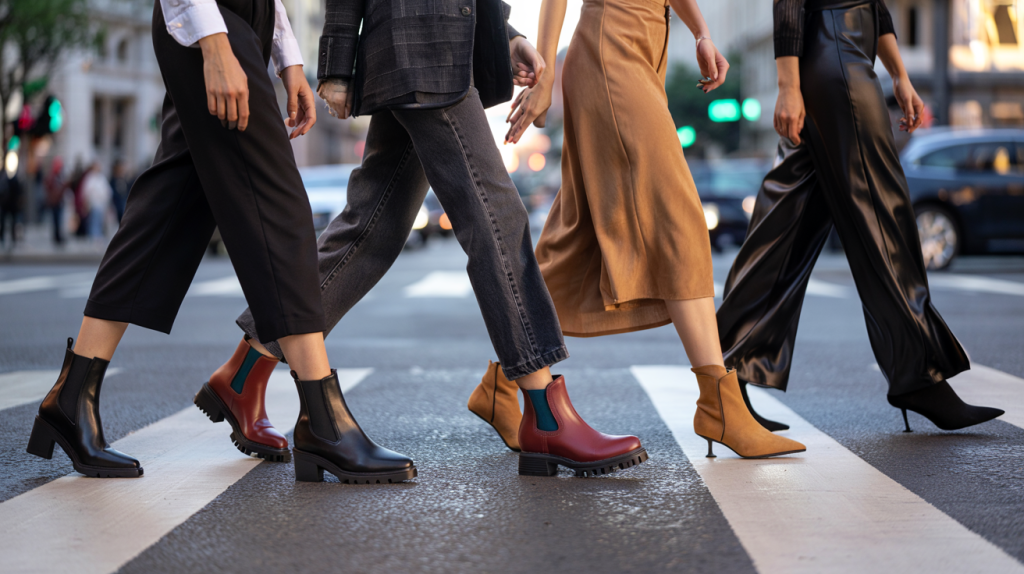
Shoe boots femme now : what matters first
The right pair of shoe boots flips an outfit from fine to unforgettable in one step. If the search was for shoe boots femme, here is the quick truth : which styles are winning, how to choose a pair that looks sharp yet feels good at 7 a.m., and what to check before paying so the boots last through seasons, not weeks.
Comfort and durability sit at the center. The American Podiatric Medical Association reported in 2014 that 77% of Americans have experienced foot pain, often linked to poor fit. Waste also grows when shoes fail early. An MIT Materials Systems Laboratory study in 2013 estimated a typical running shoe at about 14 kilograms of CO₂e per pair, a reminder to invest in sturdy builds and care that extends life.
Trends that stick in 2025 : ankle, Chelsea, lug, western
Ankle boots keep leading, because they work with denim, suits and dresses without drama. The Chelsea icon still anchors wardrobes. Its elastic sided design traces back to an 1851 patent credited to Joseph Sparkes Hall for Queen Victoria, then surged again with music culture in the 1960s.
Lug soles move from weekend to weekday, especially with clean leather uppers and rounded toes. Western nods stay present through subtle snipped toes and stacked heels rather than full rodeo ornament. Kitten heel boots return for those wanting polish with a lower lift. Search interest for classic shapes climbs each September according to Google Trends, which mirrors real life : new season, new boots.
One more shift : materials. Smooth leather and suede lead for longevity and aging, while water resistant finishes rise for commutes. Stretch shafts and sock styles help under tailored trousers, avoiding bunching around the ankle.
How to choose women’s shoe boots : fit, heels, materials
Start with the longest day in mind. If walking, standing and commuting fill hours, fit and forefoot room become non negotiable. Toes should move freely with a thumb nail of space at the front. The widest part of the foot must sit on the widest part of the boot, or hotspots build fast.
Heel height changes posture and pressure. Under 5 centimeters feels easy for most, block heels spread load better than pins, and a small platform softens impact without adding true height. A stable heel cup that holds the back of the foot prevents sliding and future blisters.
Leather lining breathes and molds, suede loves dry days, rubber outsoles grip wet sidewalks. For rain zones, look for sealed seams and a defined tread. A removable insole helps with custom support or orthotics later, which saves returns and keeps style options open.
Quick pick list for different needs :
- Chelsea boot : elastic comfort for everyday, sharp with jeans or suits
- Lug sole boot : grip and attitude for city weather and long walks
- Western inspired boot : slight snip toe for dresses and straight denim
- Sock boot : slim shaft under tailored pants, clean lines at the ankle
- Heeled ankle boot : mid heel for dinner or office polish without pain
Style playbook : outfits that love shoe boots femme
Work looks breathe with ankle boots. Try a straight leg trouser that skims the boot shaft, a crisp shirt and a structured blazer. A smooth leather Chelsea keeps the line minimal, so the silhouette stays long.
Weekend rhythm changes. A lug sole pair with rigid denim and a chunky knit says off duty without trying. Swap to a suede western style under a midi skirt for movement and a lighter feel.
Evening wants shine, not sore feet. A black sock boot with a kitten heel slides under a slip dress or a wide leg jumpsuit. Jewelry carries the sparkle, the boot keeps balance. Small detail, big effect : matching boot color to tights or trousers extends the leg visually.
Care, sustainability and smart buying : make them last
Boot care pays back fast. Brush suede after each wear and use a protector spray before the first outing. On leather, a mild cleaner, conditioner, then cream polish keeps the upper supple and prevents creases from cracking. Rotate pairs so each boot rests a day, and insert cedar trees overnight to hold shape.
Construction matters for lifespan. Pairs with stitch construction and a defined welt can be resoled by a cobbler, which delays replacement by years. Rubber half soles add grip and protect leather bottoms in wet cities. If the boot will see rain, choose a gusseted tongue or sealed seams to keep water out.
Smart purchasing reduces returns and regret. Check the return window, ask for inside length in centimeters, and read the materials breakdown. If between sizes, try the larger and add a thin insole for winter socks. Those small steps cut waste and save money. The goal stays simple : a boot that fits the life lived, looks current, and stays commited to comfort long after the trend cycle turns.
Sources : American Podiatric Medical Association 2014 survey on foot health, MIT Materials Systems Laboratory 2013 footwear life cycle estimate, UK patent records naming Joseph Sparkes Hall in 1851, Dr. Martens brand history noting the launch of the 1460 in 1960, Google Trends seasonal interest patterns for ankle and Chelsea boots.