
Meta description : A clear, spoiler-light review of Silver Star: themes, craft, who it suits, and how it refreshes the classic girl‑and‑horse formula.
Silver Star opens on familiar ground: a stubborn teen, a spirited horse, a community with rules that clash with instinct. The surprise lands in how the film treats that setup with patience, letting glances and silences carry weight. No crash of melodrama, just steady pressure as trust, responsibility, and second chances take shape.
Family audiences keep turning up for stories like this, and not by accident. The Motion Picture Association reported global box office reached 33.9 billion dollars in 2023, with viewing time still surging at home as global subscription video accounts hit 1.3 billion the same year. Silver Star sits comfortably in that space: safe for teens, legible for kids, and layered enough for parents who grew up on “The Black Stallion” (1979) or rediscovered the genre with “War Horse” (2011).
Silver Star review : plot, themes and what to expect
The main idea is straightforward. A teenager protects a horse that does not fit the stable’s expectations, and every decision ripples through family, friends, and local competition. Stakes stay small but clear, rooted in money, pride, and the rules of riding. The film observes how loyalty can complicate safety, how ambition can bruise kindness, and how adults sometimes speak past young people when fear creeps in.
Common misreads happen here. Some will look for big-twist plotting or high-speed racing. Silver Star plays a different game. It prefers routine: early-morning training, chores, a canter that becomes a gallop only when earned. That choice aligns with the way many family dramas land on streaming today, where attention holds best when scenes breathe. Cinemetrics research notes modern mainstream editing often averages around 3 to 4 seconds per shot; this film often lingers well beyond that, inviting viewers to sit inside the stable’s rhythm.
One scene nails the tone without spilling tears. A small failure at a local event turns into quiet recalibration, not grand speeches. Kids watching understand the sting. Adults recognise the cost. The message is not moralized; it’s just there, lived-in, and that understatement keeps the story credible.
Cast, direction and the look of Silver Star
Performances aim for restraint. The teen lead does not deliver fiery monologues; the character’s resolve shows through body language, a hand on a bridle, a beat before an apology. Supporting adults carry the practical pressures of bills, time, and liability. No villain caricatures, just conflicting needs that feel like a small town on a weekday.
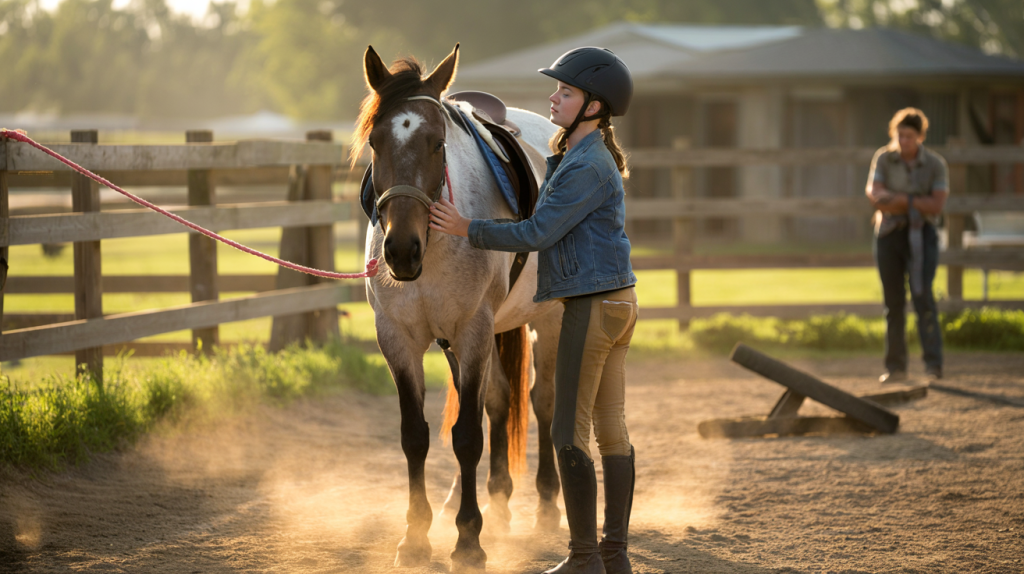
The direction favors natural light, paddock dust, and the close-up textures of tack and mane. Action scenes avoid over-sizing the frame. Instead, the camera stays at rider level, which lets younger viewers read posture and pace. The choice mirrors the best moments in equestrian cinema where the horse is not a prop but a partner. Cutting remains clean and readable, easing new viewers into gait changes and simple course designs.
Music, pacing and how it plays with genre rules
Music sits low in the mix, leaning on acoustic motifs and percussive steps to echo hooves. It guides without telling the audience what to feel. Pacing starts slow, then tightens across the middle third as a specific risk crystallizes around the horse’s future. Nothing flashy, but the structure keeps momentum without turning into a race movie.
Genre expectations get a few smart tweaks. The film dodges the classic final-act miracle. Instead, incremental wins and losses move characters toward a choice that carries a cost. Parents will appreciate how the script treats safety protocols as real, not optional. Kids will see how boundaries can protect bonds rather than break them.
Who will enjoy Silver Star and where it fits today
Where does Silver Star land in today’s viewing habits? Family titles often find long tails on streaming as households share rewatchable, low‑stress stories after work or school. With global SVOD subscriptions crossing 1.3 billion in 2023 per the Motion Picture Association, that living‑room context matters. A film like this thrives when a calm, hopeful tone meets a free evening.
Looking for a quick way to gauge fit for your household or class screening? Here’s a simple snapshot.
- Best fit : families with kids 8+ who like animal stories and grounded stakes.
- Content profile : light peril, minor falls, brief injury care, no coarse language.
- Pace : measured first act, tighter middle, modest final push.
- Craft focus : naturalistic acting, rider‑level camerawork, acoustic score.
- Comparable feel : “The Black Stallion” for intimacy, “War Horse” for resilience.
One last note on expectations. Silver Star is built for empathy, not spectacle. It asks for attention to small gestures and gives back the steady glow of trust earned the hard way. For viewers burnt out on louder fare, that can be exactly the reset a week needs to accomodate.