
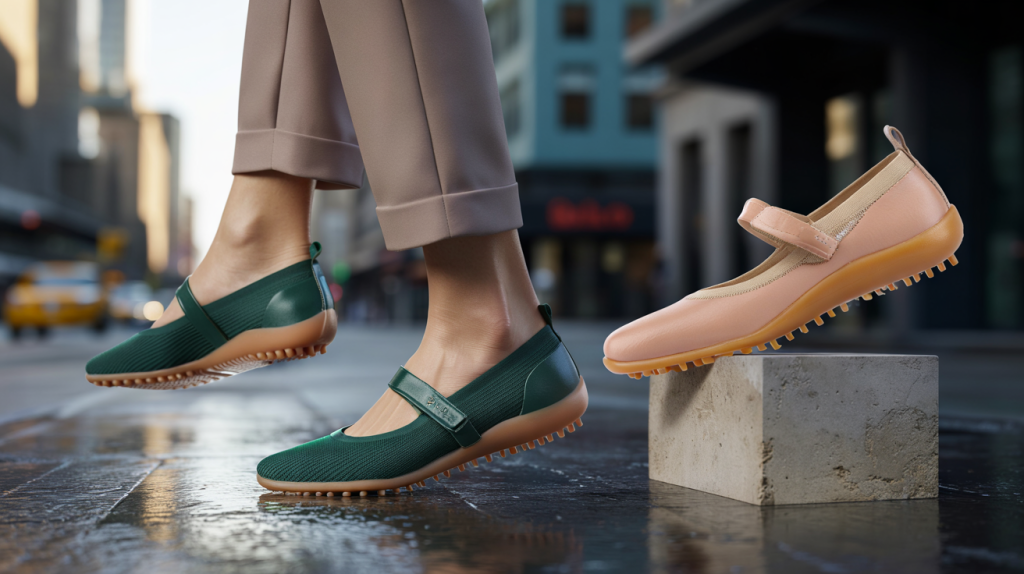
Comfort finally meets dress code. By 2026, sneaker-ballet hybrids are tipped to shift from niche drops to full-line staples, mixing cushioned midsoles with sleek ballet-flat silhouettes. The pitch is simple and sticky: all-day support, a polished shape, and the ease to walk, commute, work, and go out without swapping footwear.
Signals have been building for two seasons. The balletcore hashtag passed 1 billion views on TikTok in 2023, while comfort-first running labels kept surging – Deckers Brands reported Hoka sales up 29% in fiscal 2024, a clear sign of demand for soft, stable rides. At the same time, luxury and sport crossovers multiplied, from runway satin to everyday mesh. Add sustainability pressure after the European Union adopted the Ecodesign for Sustainable Products Regulation in 2024 – which bans the destruction of unsold textiles and footwear for large companies within two years – and the case for a lighter, longer-wearing city shoe looks very real.
What a sneaker-ballet hybrid actually is in 2026
Think ballerina shape with sneaker guts. The upper stays refined – almond toe, low profile, sometimes a Mary Jane strap – while underfoot you get a foam midsole, a grippy rubber outsole, and a drop small enough to look elegant. The recipe works for offices with smart-casual codes and for commuters who walk several thousand steps a day.
Brands prototype it in three main ways: knit or mesh uppers that hug the foot, leather or bio-based leather for structure, and woven satins for evening looks. The outsole uses siped rubber for quiet traction on wet pavements. Inside, removable insoles allow orthotics, a detail that helps accomodate more foot shapes than classic flats ever did.
Comfort tech meets elegance : materials and sustainability signals
The tech is not theoretical. Nike’s Flyknit, introduced in 2012, was designed to place yarn only where needed and reduce cut-and-sew waste by around 60% compared to traditional uppers, according to the brand. That knit logic – targeted support, less waste – now lands in city silhouettes with cleaner lines and fewer panels, which also means fewer seams rubbing over time.
Policy pushes the shift. The EU’s 2024 ecodesign framework bans destroying unsold footwear for large companies within two years of entry into force and for medium-sized companies within six years. This favors models with modular parts and sourced-for-durability components. Expect recycled rubber, water-based adhesives, and bio-based EVA foams to show up in spec sheets. Carbon labeling pioneered by several performance brands in recent years also nudged buyers to compare footprints per pair, a small but real market education that rewards lighter builds.
Aesthetics stay intact. The ballerina line reads clean because the midsole is slimmer than a running shoe and often beveled into the outsole. Designers hide stability with internal heel counters and shanks. The result looks like a flat, feels like a cushy sneaker, and passes under tailored trousers without shouting gym.
Market clues and a 2026 timeline : why brands are betting on hybrids
Development cycles in footwear typically stretch across several seasons, from concept to wear testing to final lasts. That is why early moves in 2023 and 2024 matter. Collaborations mixing satin and sneaker tooling – high fashion with heritage sport – validated the look to mainstream audiences, while the surge of everyday performance comfort showed a willingness to invest in better underfoot tech for daily wear.
Numbers point the same way. TikTok’s balletcore wave established aesthetic demand, with over 1 billion views logged in 2023. Comfort-lifestyle categories were among the bright spots in public filings through 2024 – Hoka’s 29% sales jump speaks to the hunger for cushioning during long days on feet. Take those lines forward one product cycle and you land in 2026, with full-size runs, half sizes, and wide fits ready for broader rollouts.
Sustainability adds a risk filter. After the EU’s 2024 rule on destroying unsold goods, brands are less likely to flood inventory that dates fast. Hybrids answer with seasonless shapes and repairable parts – swappable insoles, stitched rather than fully cemented linings – designed to extend wear and reduce returns.
How to choose a 2026 sneaker-ballet hybrid : fit, features, longevity
The pain point many share is simple: flats look great then hurt by noon, while chunky sneakers fail with suiting. Hybrids solve that, if the spec is right. A quick try-on checklist helps separate the future classics from pretty-but-short-lived pairs.
- Insole : look for removable, 4 to 6 mm foam with arch contour and heel cup. It should not bottom out when you press.
- Outsole : fine tread lines under the forefoot and heel for grip in rain. Quiet rubber avoids that click on tiles.
- Upper : knit or soft leather that bends without creasing hard at the toe. No hot spots at the strap if it is a Mary Jane.
- Fit : thumb’s width in front of the longest toe, secure heel hold, and no gaping at the vamp when walking.
- Care : wipe-clean finishes and replacement insoles sold by the brand to extend life past one season.
A commuter test tells a lot. Walk ten minutes, take stairs, stand still for five minutes, then sit and cross legs as you would at a desk. If the collar does not bite, the forefoot does not pinch, and the shoe stays elegant in all those postures, the hybrid is doing its job.
Expect more pairs to cite knit uppers inspired by 2012-era performance tech, recycled or bio-based foams, and policies like the EU ecodesign rule from 2024 that curb waste. The arc is clear for 2026: less bulk, more support, and a shape that moves from 9 a.m. to late dinner without a second thought. The phrase is already circulating – “sneakers ballerines hybride 2026” – and it matches what the market is building toward.