
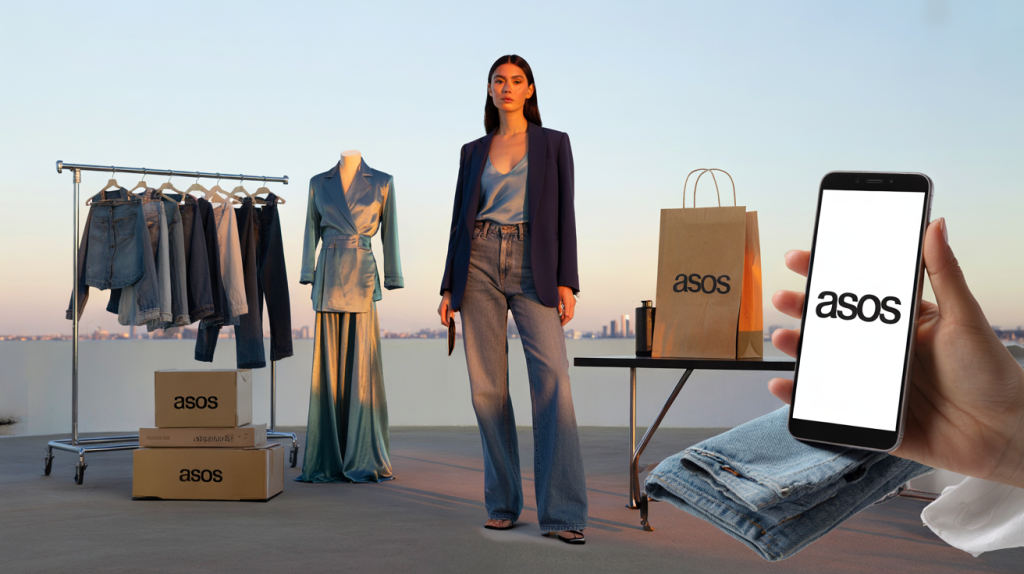
Topshop’s comeback on ASOS, explained fast
Topshop returns where its audience already shops. After a turbulent few years, the high street icon relaunches on ASOS with a tighter design focus, cleaner categories and a plan to reach customers who moved on but never forgot the jeans. The message is simple. Same attitude, smarter wardrobe.
The context matters. Arcadia Group went into administration in November 2020, closing the chapter on Topshop’s store era. ASOS then acquired Topshop, Topman, Miss Selfridge and HIIT in February 2021 and rebuilt the brand online. A few months later, in July 2021, ASOS partnered with Nordstrom in the United States, giving Topshop physical visibility again while keeping its digital heart. Today’s relaunch is about clarity, speed and fit.
Topshop on ASOS : what changes for shoppers right now
The main shift shows up in the edit. Expect fewer filler pieces and more hero items, especially denim, tailoring and occasionwear that made Topshop a weekend go to. Categories are cleaner, collections land more frequently, and photography is aligned with ASOS discovery so products surface faster in search and on the app.
Pricing architecture is designed to be understood at a glance. Entry pieces sit lower for easy add to basket, with premium capsules signalling better fabric and finish. That helps shoppers solve a familiar problem after any brand reboot. How to trust sizing, quality and value again. The plan aims to remove that friction and bring back repeat buying.
Availability follows ASOS strengths. Delivery options mirror the platform, including next day in core markets and tracked shipping globally. Returns use ASOS flows too, so anyone who paused on fit can test familiar Topshop jeans without reinventing their routine. It sounds small, yet it is definetly what converts hesitators.
From Arcadia to ASOS : the timeline and the hard facts
Arcadia Group entered administration on 30 November 2020, ending decades of Topshop retail operations in the UK and abroad. In a deal announced on 1 February 2021, ASOS acquired the Topshop, Topman, Miss Selfridge and HIIT brands, moving them to an online first model with no store estate included.
US distribution returned quickly. In July 2021, ASOS and Nordstrom revealed a partnership that brought Topshop and Topman back to selected Nordstrom locations and online, with Nordstrom taking a minority stake in the Topshop brand. That provided physical try on points for key categories, especially denim and suiting, while ASOS kept design and digital retail control.
The strategy since has been consistent. Concentrate on what Topshop is trusted for, modernise fit blocks, and use ASOS scale to reach customers in many countries. The relaunch crystallises that path with faster drops and clearer storytelling around fabric, silhouette and wearability.
What you will actually find now on ASOS
Denim leads. Straight and wide leg cuts arrive first, with washes calibrated for everyday wear rather than trend churn. Tailored separates follow, designed to cross from weekday to late dinner. Occasion pieces lean on drape and shine without losing comfort, a small but welcome correction after years of product bloat across the market.
An example helps. A returning Topshop denim block that once anchored bestselling jeans now pairs with an improved size run, then gets surfaced in ASOS search next to fit guidance and customer imagery. That mix tends to reduce returns, and it matches how people actually decide on a pair of jeans on mobile.
There is also the global play. ASOS ships to over 200 countries, so the relaunch is not just a UK signal. Nordstrom keeps fuelling US brand memory in store while ASOS handles the pace online. The missing piece had been coherence after the 2020 shock. With the brand housed under one platform since 2021, the relaunch locks the creative direction and makes the promise practical. If you want a low risk try, start with denim or a tailored blazer, then layer seasonal drops as confidence returns.