
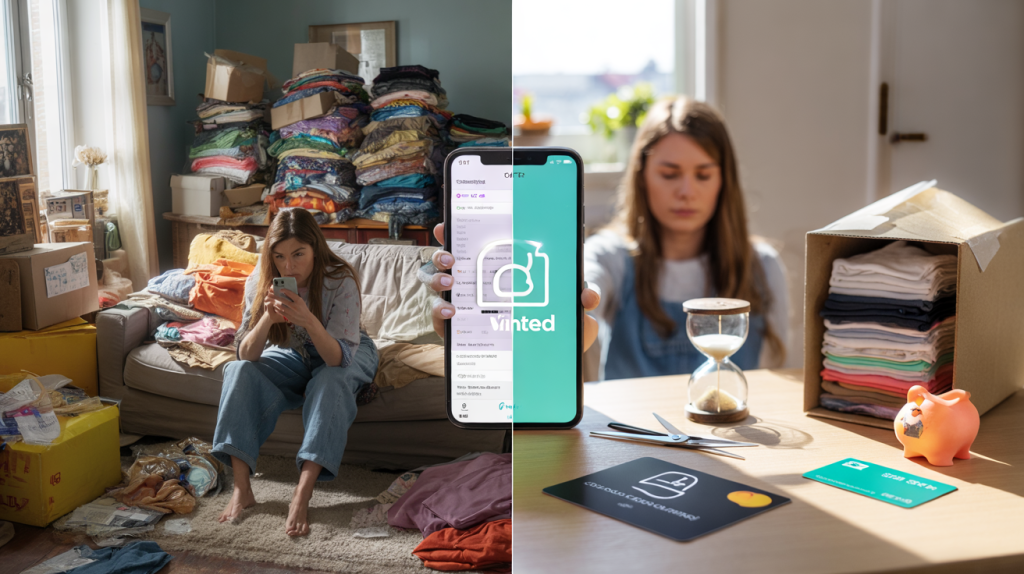
Hooked on Vinted? Spot the signs, cut the dopamine loop, and reclaim time and money with expert-backed steps, real stats, and a sane plan.
If Vinted tabs multiply faster than laundry and parcels keep landing at the door, the signal is clear : the app is running the show. The first moves that work today : name the problem, put hard limits on time and spend, and add friction so tapping Buy now is no longer a reflex.
Launched in 2008, Vinted turned second‑hand fashion into a daily micro‑ritual. That is great for wardrobes, less great for impulse‑control. To reset : strip saved cards, silence notifications, switch to sell‑only for a month, and create a 48‑hour cooling period before any purchase. The goal is not to quit style, but to break the scroll‑bid‑buy loop.
Vinted addiction, explained : signs, triggers, dopamine
Compulsive buying often hides behind words like “just deals” or “only second‑hand”. The pattern looks familiar : checking the app several times a day, chasing badges or discounts, buying duplicates, and feeling a rush followed by regret. That cycle lives on variable rewards and notifications that spike motivation for the next scroll.
Research puts numbers on the issue. A meta‑analysis published in the Journal of Behavioral Addictions in 2016 by Kinga Maraz, Zsolt Demetrovics and Mark Griffiths estimated compulsive buying prevalence at 4.9 % in the general population. The Diagnostic and Statistical Manual of Mental Disorders, DSM‑5, released by the American Psychiatric Association in 2013, does not list “compulsive buying” as a stand‑alone diagnosis, yet clinicians treat it as a problematic behavior tied to impulse control and mood regulation.
What to do now on Vinted : friction, limits, swaps
Small changes land quickly when the app is the trigger. The aim : fewer cues, slower decisions, clearer costs.
- Delete saved cards and auto‑fill : force a pause at checkout and re‑entering details.
- Mute all Vinted alerts for 30 days : no pings, no FOMO. Open on a schedule, not on impulse.
- Set two caps today : minutes per day on Vinted and a monthly euro ceiling. Put both in Screen Time and banking alerts.
- Use a 48‑hour rule for anything over 15 euros : add to favorites, wait two sleeps, then reassess.
- Flip the script to sell‑only for one month : list 5 items a week, buy zero. Redirect the itch.
- Unfollow high‑temptation closets and disable “similar items” in search by tightening filters.
- Keep a visible wish list of 3 needs, not wants : replace only when an item truly wears out.
- Pay with a prepaid card loaded weekly : when the balance is gone, shopping stops.
The real cost : money leaks, time drains, mental load
Second‑hand feels harmless because prices are low. Stack them and the leak grows. One 7‑euro top here, a 12‑euro bag there, shipping and buyer protection on top, and the budget bends. Track one month of Vinted‑related spend to see the baseline. Many are surprised by the total and the hours lost to browsing and messaging.
Treatment exists when self‑regulation stalls. Cognitive behavioral therapy targets the triggers, the beliefs (“it is rare”, “it is practically free”) and the rituals. Clinical programs commonly run 10 to 12 weekly sessions that teach delay, stimulus control and alternative coping. Group formats help with accountability and relapse planning. The evidence base grew over the last decade with peer‑reviewed trials showing meaningful symptom reduction for compulsive buying.
When to seek help : red flags and next steps that work
Time to escalate if spending hides from family, debts pile up, or mood swings spike after buying. Another signal : repeated failed attempts to cut back. A general practitioner can screen and refer, while a licensed therapist trained in CBT or habit‑change can design a plan that fits your life. Mention the platform context so triggers are addressed, not just the spending.
Practical supports make change stick. Ask a trusted friend to hold log‑ins for two weeks. Move the Vinted icon off the home screen. Set a “no shopping after 9 p.m.” boundary and pair it with a soothing routine like reading or a walk. If selling triggers shopping, batch listings once a week and log off right after. One slip is feedback, not failure, and the next small step matters more than a perfect streak.