
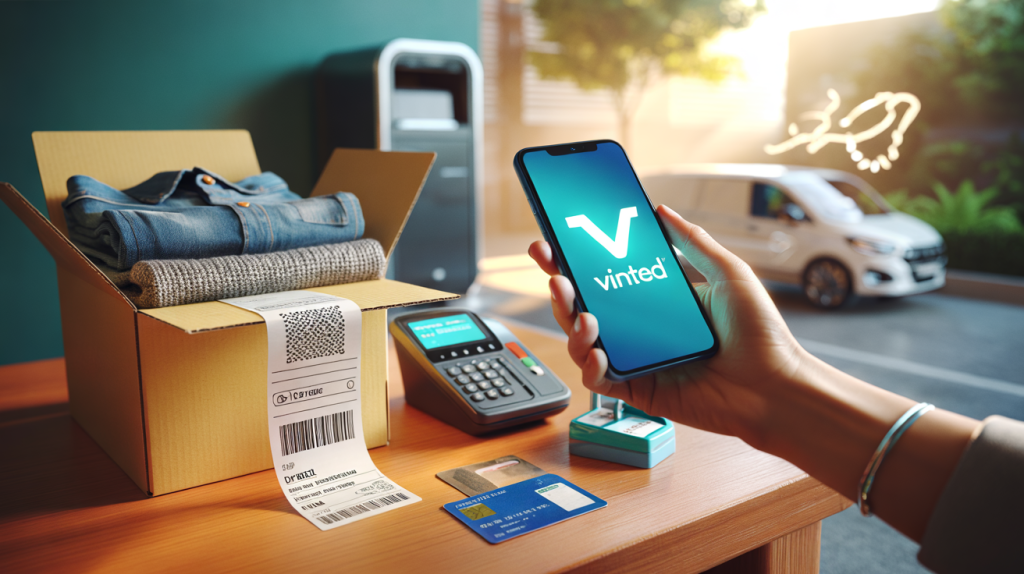
Vinted just pushed fresh changes and the questions start piling up: are fees different, what shifted in shipping, why the new ID prompts. Here is the short answer that matters for your next sale. Seller commission stays at 0 percent for private sellers, buyer protection still sits on the buyer side, and new prompts often link to European rules that platforms must follow.
The details still matter. Updates can silently reshuffle delivery choices, tweak the checkout flow or add verification steps that block a payout if ignored. Reading the signals early keeps listings visible and parcels moving without disputes.
Vinted update today : what actually changed and why it affects sales
Each rollout targets real friction points: fewer lost parcels, safer payments, cleaner tax reporting. That is the pattern. The app now surfaces identity checks more clearly for some accounts, tightens how shipping options are displayed by location, and polishes search filters so buyers land on the right size and brand faster. Small moves, big impact on conversion.
There is a second layer. Platforms across the EU have had to adapt since 2023 to transparency laws and payment security rules. So when Vinted asks for an ID scan or a tax detail, it is not a random test. It is compliance that unlocks cashouts and keeps your shop trusted.
Fees and buyer protection on Vinted : what stays, what moves
The headline stays the same. Private sellers pay 0 percent in selling fees in Vinted’s core markets. That is one of the reasons the app scaled fast since 2008, when the service launched in Vilnius, Lithuania, and later expanded country by country.
On the buyer side, the buyer protection fee remains mandatory and appears at checkout. It combines a fixed amount and a small percentage of the item price that varies by country, and it funds in‑app payment handling and dispute support. The structure is public in Vinted’s Help Center for each market, and it has been communicated as a buyer cost rather than a seller deduction.
Why mention this in an update piece. Because interface changes can hide where the fee displays or how shipping is grouped, which can confuse first‑time buyers. If questions pop up in chat, point to the breakdown shown just before payment to avoid cancellations.
Shipping updates and Vinted Go : reducing delivery friction
Shipping is where most updates are felt day to day. Vinted regularly reorders carriers based on your pickup adress, adds drop‑off maps, and refines tracking events so both sides see the same status. The goal is fewer “where is my parcel” messages and faster automatic confirmations after delivery.
You may notice Vinted Go branding in some flows. That label covers Vinted’s own shipping connections and logistics partnerships that route parcels more directly between members. The practical effect for sellers is simple. Label printing can move inside the app, locker options can appear first for dense areas, and compensation rules are surfaced earlier in case of loss.
A change in the carrier list can also nudge prices by a few cents and alter delivery times. When speed matters for a buyer, suggest the faster option in chat before they pay. It prevents disputes and protects your rating.
The new prompts explained : PSD2 security and DAC7 reporting
Two European frameworks sit behind many recent prompts. Payment security under PSD2 introduced Strong Customer Authentication across the EU in 2019, with enforcement phases that extended into 2021. That is why card payments on Vinted often require a bank app confirmation or a one‑time code. It cuts fraud and keeps payouts stable.
Tax transparency under DAC7 has applied since 1 January 2023. Marketplaces like Vinted must collect certain seller details and report to tax authorities when thresholds are met. The EU guidance cites triggers such as 30 sales or 2,000 euro in a year, and platforms must ask for information to classify and, when needed, report activity. If the app requests a legal name, address or tax ID, completing it early prevents payout holds.
These rules are external to Vinted, yet they shape the update cadence you see in the app. Compliance is not optional. It is also a trust signal for buyers deciding where to spend.
Here is a quick routine that saves time after each update :
- Open a current listing and run a test checkout to view the buyer protection line and carrier list as a buyer would.
- Refresh your delivery presets and pickup locations, then generate a sample label to check printing works on your device.
- Visit Settings, verify identity prompts, payment method and payout details to avoid last‑minute blocks.
- Scan the Help Center page for your country to confirm any fee wording or shipping partner changes with dates.
- Update saved search alerts and size filters so your items match active buyer demand immediately.
One last note on timing. App Store and Google Play rollouts arrive in waves, so two members can see slightly different screens for a short period. If a buyer shares a screenshot that does not match yours, ask for their app version and guide them to update. It reduces unnecessary cancellations and keeps momentum on the sale.