
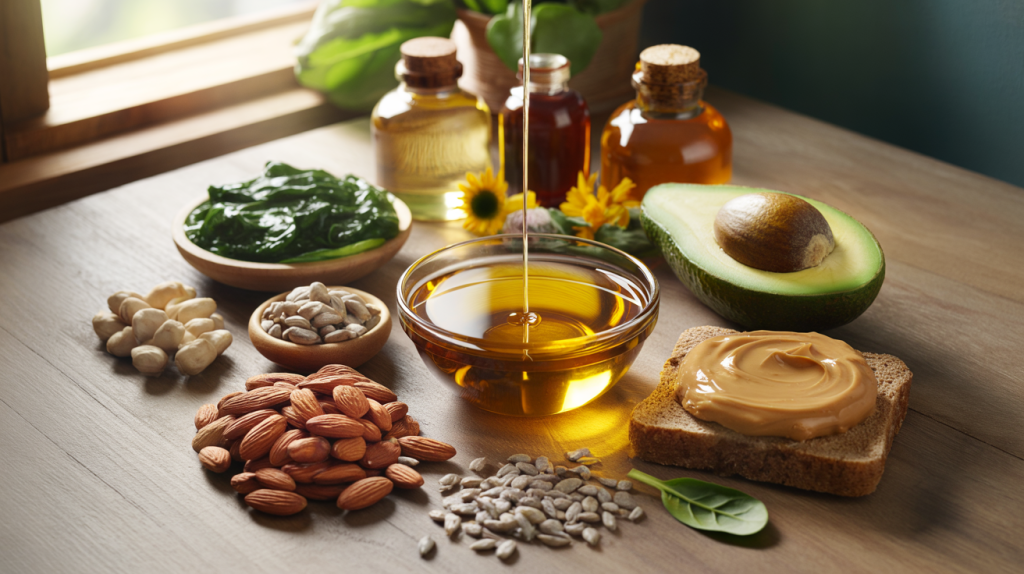
Shortlist the best foods rich in vitamin E, learn exact daily needs, and steal easy meal ideas that actually fit a busy life.
Clicking for aliments riches en vitamine E means one thing: you want a clear answer on what to eat right now. Vitamin E protects cells from oxidative stress, supports immunity, and teams up with fats for better absorption.
Here is the gist without the fluff. Adults need 15 mg of vitamin E a day, measured as alpha‑tocopherol, and that target comes from the NIH Office of Dietary Supplements update in March 2021. One tablespoon of wheat germ oil delivers about 20.3 mg according to USDA FoodData Central data accessed in 2025, while an ounce of almonds is close behind at 7.3 mg. The path is simple: pick the right foods and the numbers add up fast.
Daily needs for vitamin E : clear numbers, real life
The NIH Office of Dietary Supplements sets the Recommended Dietary Allowance for adults at 15 mg/day of alpha‑tocopherol and the Tolerable Upper Intake Level for supplements at 1000 mg/day of synthetic or natural forms (NIH ODS, 2021). That upper cap speaks to high‑dose pills, not foods.
True deficiency is rare in healthy people and usually linked to fat malabsorption disorders, the NIH notes. Still, intakes often fall short when meals skip nuts, seeds, and oils that actually carry vitamin E.
Context helps. Vitamin E is fat‑soluble, so pairing sources with dietary fat improves uptake. Avocado with spinach, almond butter on toast, olive oil over greens. Small moves, big payoff.
Foods rich in vitamin E : from almonds to sunflower oil
Numbers you can use today come straight from USDA FoodData Central (accessed 2025). Serving sizes match what lands on a plate.
Wheat germ oil takes the crown. One tablespoon provides about 20.3 mg of alpha‑tocopherol, which already exceeds the adult daily target.
Almonds follow closely. One ounce gives roughly 7.3 mg. Sunflower seeds hit about 7.4 mg per ounce. Same snack lane, different texture.
Oils add stealth power at cooking time. Sunflower oil offers around 5.6 mg per tablespoon, safflower oil about 4.6 mg, olive oil about 1.9 mg, and canola oil about 2.4 mg. Rotate them across the week.
Greens and fruit still matter. Half an avocado brings roughly 2.1 mg. A half‑cup of cooked spinach lands near 1.9 to 2.0 mg. That side dish actually moves the needle.
One smart list to shop by
These everyday picks help hit 15 mg without supplements, with USDA FoodData Central figures guiding the amounts.
- Wheat germ oil : 1 tbsp ≈ 20.3 mg
- Sunflower seeds : 1 oz ≈ 7.4 mg
- Almonds : 1 oz ≈ 7.3 mg
- Hazelnuts : 1 oz ≈ 4.3 mg
- Safflower oil : 1 tbsp ≈ 4.6 mg
- Peanut butter : 2 tbsp ≈ 2.9 mg
- Canola oil : 1 tbsp ≈ 2.4 mg
- Olive oil : 1 tbsp ≈ 1.9 mg
- Spinach, cooked : 1/2 cup ≈ 1.9–2.0 mg
- Avocado : 1/2 fruit ≈ 2.1 mg
Benefits, mistakes to avoid, and easy ways to eat more
Antioxidant protection sits at the center. The NIH ODS describes vitamin E as a key defender of cell membranes from oxidative damage, which links to skin health and immune function. That is the practical benefit many readers seek.
Two common mistakes show up again and again. Relying on a single oil all month long. Forgetting that vitamin E needs fat to be absorbed, then eating greens without any oil or nuts and expecting to recieve full value.
A day that works looks like this. Breakfast: whole‑grain toast with peanut butter, plus a drizzle of canola oil in scrambled eggs. Lunch: spinach salad with avocado and olive oil vinaigrette. Snack: a small handful of almonds. Dinner: vegetables sautéed in sunflower or safflower oil. The total crosses 15 mg with room to spare, based on USDA numbers.
One last guardrail from the science side. The UL of 1000 mg/day for supplements exists for a reason, the NIH ODS notes, as very high intakes from pills can raise bleeding risk in some contexts. Food sources rarely approach that territory. Sticking to a food‑first plan covers the need and keeps balance.
All signs point to a simple move this week. Build meals around nuts, seeds, and a rotation of oils, slip in avocado and cooked leafy greens, and let vitamin E quietly do its job.
Sources : NIH Office of Dietary Supplements, Vitamin E Fact Sheet for Health Professionals, updated March 2021. USDA FoodData Central, nutrient data accessed 2025.