
Curious about We Love Green 2026? Here is when the lineup is likely revealed, how tickets roll out, expected dates in Paris, and tips to catch the programmation first.
Paris waits for the We Love Green 2026 programmation, and the clock is already ticking. The eco‑minded festival, launched in 2011, traditionally lands in late May or early June over two or three days in the capital’s east side. For anyone hunting the lineup first, history is a reliable compass : initial waves have arrived in late winter, then day‑by‑day splits closer to spring via official channels.
There is a pattern, and it helps. Past editions announced a substantial first poster between January and March, followed by targeted additions and timetable details as the site build approached. Tickets have tended to open in stages too, with early‑bird passes ahead of the full reveal and single‑day options when the daily programmation is locked in.
We Love Green 2026 lineup : what to expect and when it lands
The main idea is simple : We Love Green unveils its artists in waves, creating momentum while keeping flexibility for touring calendars. That cadence lets fans secure passes early, then decide on specific days when the splits arrive.
An observation from recent years backs that up. The 2023 edition ran 2 to 4 June in Paris, and the first lineup wave was public months before the gates opened, with additional names added through spring. In 2022, the festival spanned early June as well, after a longer build due to the pandemic gap in 2020. These markers show how the festival times its communication around touring cycles and album campaigns.
A common pitfall trips up even seasoned fans : waiting for the full poster before buying. By the time the last wave drops, certain categories often vanish. A smarter move is to secure a pass during the first or second wave, then fine‑tune plans once the daily programming is published on the official website and app.
We Love Green 2026 dates and tickets : Paris timing, venue, access
The problem many face is timing. The festival sits at the start of Europe’s summer season, typically in late May or early June across a weekend, on the edge of the Bois de Vincennes in eastern Paris. Commuting is straightforward via metro and suburban lines, and travel planning gets cheaper when booked ahead.
Tickets have historically rolled out in tiers : early‑bird passes first, regular weekend passes next, then day tickets once the splits are public. Keeping notifications on for the official newsletter and social channels pays off, as sale windows can open at short notice. If 2026 follows suit, early access will arrive before the full lineup is complete, which is definitly the best window for price and choice.
A concrete example helps. In 2023, three festival days gave fans multiple paths : full‑weekend immersion or a single day focused on one headliner plus discovery acts. That structure is likely to repeat, aligning with school calendars and European bank holidays that cluster in late spring.
Sustainability and stages : the heart of We Love Green
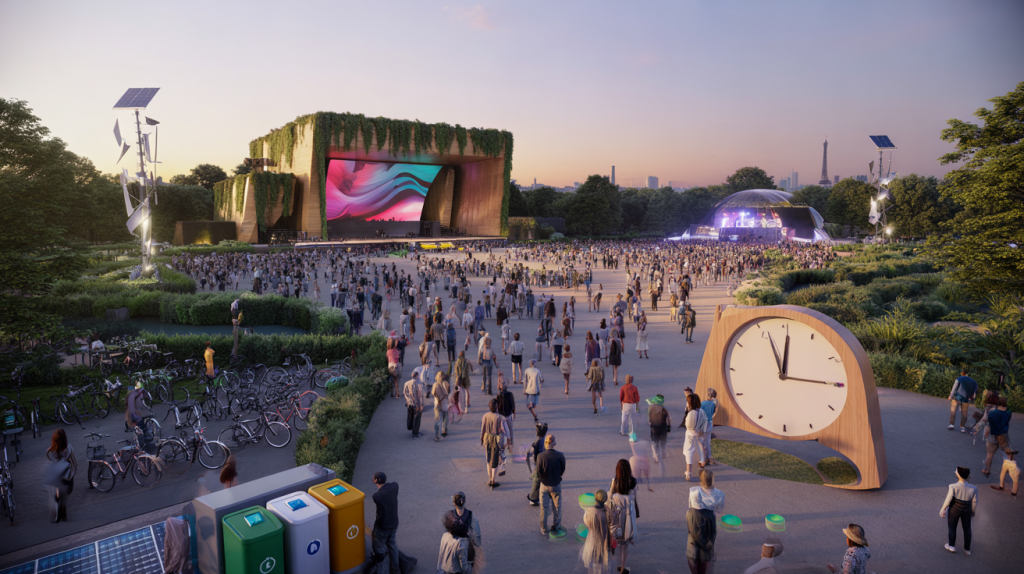
Beyond names on a poster, the festival’s identity rests on its sustainability lab and a set of stages that mix mainstream draws with breakthrough artists. Since 2011, the event has built its reputation on testing greener production methods, hosting talks, and curating food and design areas alongside music.
The analysis is clear : the programmation balances big‑ticket moments with future‑facing discoveries, which shapes how days are built. Expect a headline slot per night, electronic closers, and afternoon slots for rising acts and collaborations. That blend is why the lineup lands in waves — it lets the team secure tours while leaving room for late‑breaking projects that fit the festival’s DNA.
So the missing piece for 2026 is timing the watchlist. Follow the official We Love Green site, newsletter, and verified social accounts from January, consider a weekend pass during the first sale phase, and lock travel once dates are announced. The rest — day splits, set times, site map — will fall into place as spring turns the city toward festival mode.