
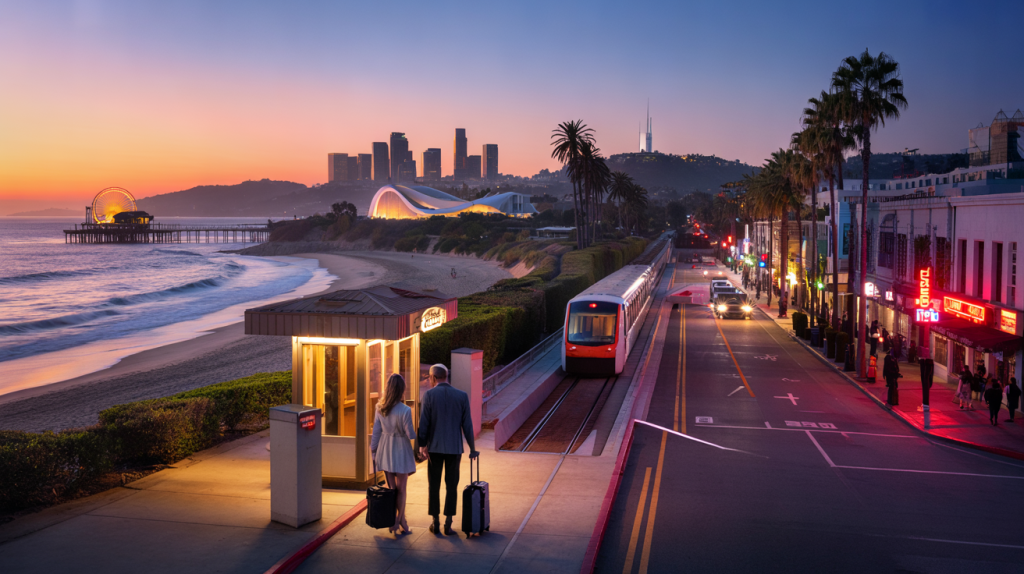
Los Angeles sprawls across 88 incorporated cities in the county, so picking the right base changes the whole trip. Clicked for a straight answer on où dormir à Los Angeles? For beach-first days, Santa Monica or Venice. For nightlife and dining, West Hollywood. For movie landmarks and easy tours, Hollywood. For museums and sports, Downtown Los Angeles. For value and late-night eats, Koreatown. For calm, leafy streets and the Huntington Library, Pasadena.
The stakes are simple: distance eats time in LA. Choosing a neighborhood near what matters to the itinerary reduces rideshares, limits budget creep, and keeps energy for the fun stuff. Add two non-negotiables to the decision: the city’s 14 percent hotel tax and how easily transit or quick rides connect to plans.
Best areas to stay in Los Angeles: quick answers for every trip
Los Angeles rewards planning because the region is wide and traffic ebbs and flows. The county fronts roughly 75 miles of coastline according to Los Angeles County Department of Beaches and Harbors, so a “central” hotel rarely exists in practice.
First filter: what is the trip built around. If it is sand and sunsets, sleeping steps from the water in Santa Monica or Venice keeps the day light, then Uber or Metro for city detours. If the plan is restaurants, shows and galleries, West Hollywood brings walkable nights on Sunset and Melrose.
Staying near must-see landmarks works too. Hollywood places studio tours and the Walk of Fame close, while Downtown Los Angeles clusters the Walt Disney Concert Hall, The Broad and Crypto.com Arena. Pasadena’s tree-lined core serves the Huntington Library and a calmer base for families.
Prices, taxes and rules: what your LA stay really costs
Room rates shift by season and events, but one fixed number follows every booking in the City of Los Angeles: a transient occupancy tax of 14 percent. That figure comes from the City of Los Angeles Office of Finance and applies to hotels and most short stays.
Short‑term rentals follow city rules too. The Home‑Sharing Ordinance, enforced since July 2019 by the Los Angeles Department of City Planning, limits hosts to renting a primary residence and caps unextended rentals at 120 nights per year. Expect stronger ID checks and clear house rules when booking.
Transit helps control spend. Los Angeles Metro states the base fare is 1.75 dollars with free transfers for two hours, plus fare capping at 5 dollars per day and 18 dollars per week since 2023. Swipe a TAP card and the system auto‑caps, so heavy sightseeing days do not snowball.
Transport and distances: pick a base that saves time
Metro Rail and Rapid bus lines now tie together key visitor zones. The E Line links Downtown Los Angeles to Santa Monica’s beach, the B Line connects Downtown to Hollywood, and the D Line extension is adding reach westward. That single-seat ride matters when kids or a stroller are part of the crew.
Common mistake: booking Hollywood for a beach vacation, then commuting daily. Another: staying far from a frequent bus or rail stop and paying surge pricing every evening. A hotel one block off Wilshire in Koreatown or steps from the Expo corridor often beats a cheaper room isolated on a hillside.
Scale also shapes expectations. Los Angeles Tourism reported 50.7 million visitors in 2019, the pre‑pandemic peak. High demand around award season, summer, and big conventions lifts prices and tightens availability, so flexible travelers recieve better value by shifting midweek or mixing two neighborhoods.
Where to stay by vibe: neighborhoods that match your plan
Match the base to the main mood of the trip, then layer transit and tax into the budget. Pick one hub for three nights, then pivot if the plan splits beach and city.
- Beach first, car optional : Santa Monica or Venice for sand, bike paths, and the E Line into Downtown Los Angeles.
- Nightlife and dining : West Hollywood for Sunset Strip venues, design shops, and walkable late nights.
- Landmarks and studio tours : Hollywood for the Walk of Fame, Universal access via the B Line, and guided tour pickups.
- Museums and sports : Downtown Los Angeles for The Broad, Walt Disney Concert Hall, Lakers and Clippers games.
- Value and food late : Koreatown for 24‑hour eats, dense transit, and plentiful midrange hotels.
- Calm, gardens, families : Pasadena for tree‑lined streets and the Huntington Library and Botanical Gardens.
One more angle helps. If the schedule spans beach mornings and downtown shows, a two‑base plan reduces backtracking. Three nights in Santa Monica, two in Downtown Los Angeles, bags moved at midday, and each cluster explored on foot or by a single transit line.
The city is big, yet it behaves predictably once the goal is clear. Anchor the stay near the main activities, count the 14 percent city hotel tax in the math, lean on the 1.75 dollar Metro fare with daily capping, and let the neighborhood’s rhythm do the rest.