
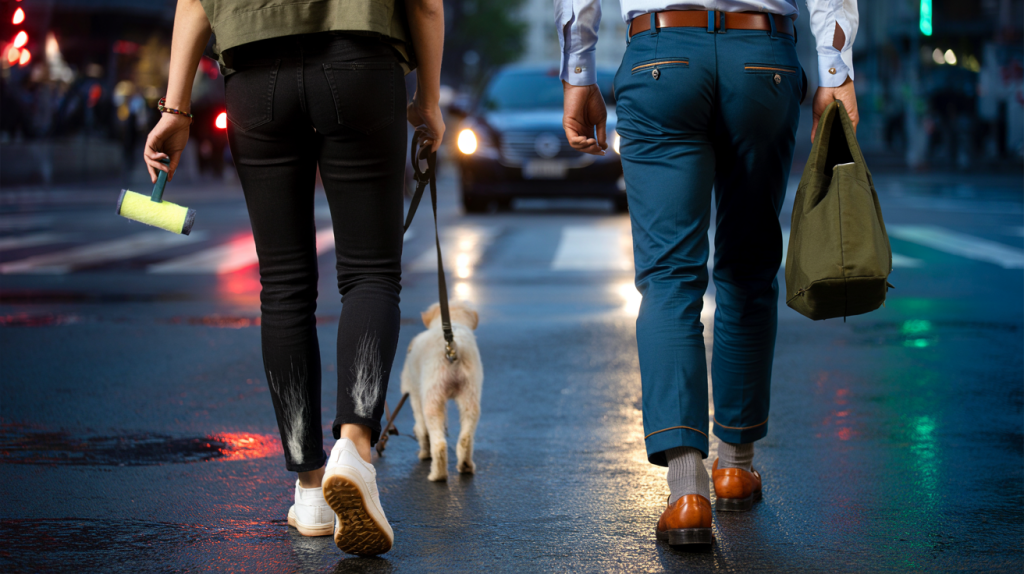
Black pants fade, attract lint, and reduce night visibility. See safer, sharper color swaps backed by data, plus care tips that last.
Black pants look effortless in the mirror, then misbehave in real life. They suck up light, show every bit of lint, and often fade into a tired charcoal after a few washes. That quick grab from the closet can mean extra maintenance, fewer outfit options on camera, and even safety risks after dark.
There is more. Dark dyes can bleed onto sneakers and seats, cameras struggle to expose faces against deep black, and tight black trousers trap heat in summer. Brands warn about color transfer on light upholstery, and care labels for raw denim call it out clearly, as Levi Strauss et Co. does in its guidance on dark denim dye migration. The right alternative colors solve most of this, while still reading sharp and refined.
Style Reality Check: Why Black Pants Underperform Day to Day
On video calls and photos, pure black turns into a void, so the fabric texture disappears and proportions flatten. The BBC Academy’s presenter wardrobe tips advise mid tone clothing for exactly this reason, noting that very dark items can make cameras overexpose skin and blow highlights. If a job lives on Zoom or content shoots, that matters.
Dye transfer is another headache. Dark denim and twill can bleed onto white sneakers, pale leather seats, and cream sofas during the first wears and washes. Levi Strauss et Co. care pages warn that deep indigo and black finishes may rub off and recommend washing separately at first. That is not a myth, it is chemistry.
Then there is the constant lint battle. Pet hair and dust are simply more visible on black. In practice that means extra roller time and more frequent washes, which ages the fabric faster and dulls the color even more quickly.
Heat and Comfort: The Fabric Science Behind the Myth
People often say black clothing is hotter in the sun. Physics does tell us dark colors absorb more visible light. Yet the story is nuanced. A classic study in Nature in 1980 by Yosef Shkolnik and colleagues examined why Bedouins wear black robes and found loose black garments can be as cool as white because air flow carries heat away.
Pants, though, are rarely loose enough to benefit from that chimney effect. Close fits trap warmth, especially in dense weaves like denim or heavy twill. Office commutes, crowded trains, summer sidewalks, all feel warmer in tight black trousers than in breathable, lighter shades of the same fabric. The science does not condemn black, it just rewards smarter fabric and color choices when the fit is close to the skin.
Night Safety: Black Trousers Hurt Visibility
Visibility at dusk and night is a practical issue, not a fashion one. The National Highway Traffic Safety Administration reported that most pedestrian fatalities happen in dark conditions, 77 percent in 2021 in the United States (NHTSA, 2021 Traffic Safety Facts). Dark legs moving across a crosswalk are harder for drivers to detect, especially without reflective details.
Safety researchers have long shown that lighter or retroreflective clothing increases detection distance by drivers, giving more time to react. Studies of pedestrian conspicuity found reflective elements at the joints, ankles in particular, can multiply recognition distance compared with dark clothing alone. If evenings include dog walks or bike rides, black pants work against you unless paired with visible accents.
Smarter Color Swaps, Care Tips, and a Lower Impact
The best part, there are easy wins that keep outfits sharp. Color does the heavy lifting, then fabric and care practices do the rest. For work, mid tone neutrals read as professional on camera and in person, and they age gracefully in the wash.
- Charcoal or dark grey, keeps the sleek vibe without the lint drama.
- Deep navy, flatters most skin tones and photographs cleanly.
- Rich olive, adds depth and works with black shoes and brown shoes alike.
- Chocolate brown, warmer than black, elegant with blues and creams.
- Stone or taupe, summer friendly, less heat build up than true black.
There is also the environmental angle. Textile dyeing and treatment are linked to a significant share of industrial water pollution, estimated at 17 to 20 percent worldwide by the World Bank in 2019. While any dyed garment has a footprint, deep shades often involve more intense dye processes and salts in conventional systems. Choosing undyed, garment dyed light neutrals, or blues from certified low impact processes reduces that burden.
Washing habits matter for longevity and the planet. The International Union for Conservation of Nature estimated in 2017 that washing synthetic textiles accounts for 35 percent of primary microplastics released to the ocean. Wash less often, cold cycle, liquid detergent, inside out, line dry when possible. Those small moves keep dark dyes from bleeding, keep mid tone trousers crisp, and cut microfiber shedding.
Where to start today is simple, and definately practical. Rotate black pants with two workhorse pairs in navy and charcoal, then add one seasonal color, olive or stone. If nights are part of the routine, pick trousers with subtle reflective piping at the hem or pair them with visible socks and a light top. The look stays modern, care gets easier, and the closet works harder without leaning on a single high maintenance color.