
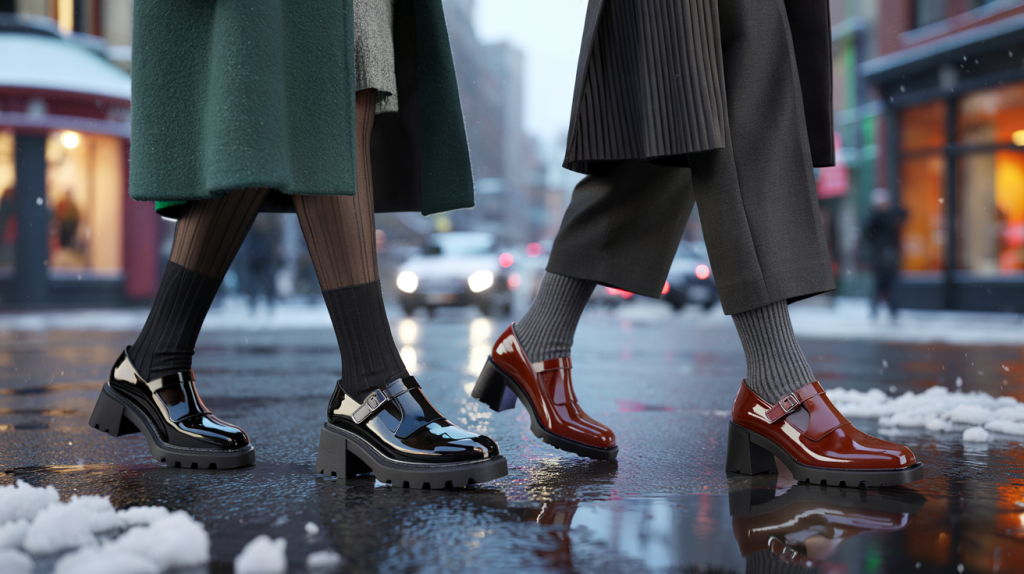
Winter trend alert: women’s Mary Jane shoes go cold-weather ready. Learn the best pairs, tights et socks combos, and the smart buys worth clicking today.
Mary Janes didn’t just sneak back in – they marched in. From street style to office corridors, the strap-front classic is a headline winter trend for women. In Lyst’s Q2 2023 Index, Alaïa’s mesh flats ranked among the hottest women’s products, pushing strap silhouettes into the mainstream conversation (Lyst Index, Q2 2023). Search interest follows the curve: Google Trends shows global spikes for “Mary Jane shoes” in September 2023 and again in November 2024, right as temperatures drop.
Good news for icy sidewalks: the winter version is tougher, warmer, and easier to wear than the ballet flat wave. Think lug soles, water-resistant leather, padded insoles, and even shearling-lined footbeds. Thick tights – 80 to 120 denier, the range widely sold in Calzedonia’s Winter collections – or ribbed wool socks lock in warmth without sacrificing the neat Mary Jane line. From under 50 dollars on the high street to four-figure luxury pairs, there’s a practical lane for every budget.
Why Mary Jane Shoes Lead Winter 2024-2025 Trends
Two drivers stand out: comfort and nostalgia. The strap provides security that ballet flats lack, and platforms or block heels add grip. Designers reinforced the look with winter materials – patent for slush, velvets for evening, chunky treads for daytime – so the silhouette adapts to city weather instead of avoiding it.
The runway-to-real-life pipeline moved fast. After the Lyst signal in 2023, retailers expanded strap flats and block-heel Mary Janes into cold months with thicker soles and darker palettes. Demand didn’t fade with the first frost, it shifted to versions that survive commutes and commité rooms alike.
Price visibility also nudges take-up. Entry pairs from mass retailers sit around 40-80 dollars, mid-tier leather styles around 120-250 dollars, with luxury icons pushing 600 dollars and beyond. That ladder makes trying the trend low-risk while leaving room to upgrade materials later.
How to Wear Mary Janes in Cold Weather: Tights, Socks, Soles
Start simple: a strap flat with 3-5 cm lug sole, black or oxblood. It anchors knit dresses, pleated skirts, and cropped wool trousers without feeling summery.
Texture helps. Patent resists drizzle, pebble-grain leather hides scuffs, velvet sings after dark. Pair with 60-100 denier tights for the office, or ribbed merino socks for weekends. If ankles run cold, add a thin shearling insole – instant insulation.
Heels work too. A 4-6 cm block-heel Mary Jane keeps posture sharp yet steady on subway stairs. Swap in darker hosiery at night and switch to a suede or velvet upper for polish.
Looking for a quick checklist that lives beyond this season?
- Lugged sole for grip, strap that sits snug – not tight – across the instep.
- Upper in patent or coated leather for wet days, velvet or satin reserved for dry evenings.
- 80-120 denier tights for daily warmth, ribbed wool socks when temps dip below freezing.
- Neutral core colors first – black, chocolate, oxblood – then a statement pair if the silhouette sticks.
Common Styling Mistakes et Easy Fixes
Going too delicate for rough weather is the usual misstep. Ultra-thin soles and satin uppers struggle in puddles. Fix: pick a treaded outsole and a coated finish when rain is on the forecast.
Another hiccup: cutting the leg line. A low vamp or very pale tights in midwinter can visually shorten the leg. Fix: match tights to shoe color for a clean column, or choose a slightly higher vamp to lengthen the look.
Blister trouble also shows up in the cold. The strap can rub when socks are thicker. Fix: add a slim tongue pad on the instep and choose straps with extra holes to adjust fit over winter hosiery.
Where Fashion Meets Function: Materials, Care, and Smart Buys
Materials decide longevity. Full-grain leather molds to the foot and takes polish; patent shrugs off slush; vegan coated textiles improve yearly and now include recycled options. A quick spray of waterproofer every two weeks in wet months pays back the few minutes it takes.
Care is simple: dry shoes away from heat, stuff with paper to keep shape, rotate pairs so linings air out. Rubber treads can be re-soled once worn – flat or low block-heel Mary Janes are great candidates for a second life at the cobbler.
Signals suggest the trend holds steady into early 2025. Lyst’s Q2 2023 data put strapped flats on the radar, and search interest habitually lifts into fall-winter. The seasonal tweak is clear: choose grip and insulation first, then pick the pretty finish. Once that balance clicks, Mary Janes stop being a summer fling and become the daily shoe that just so happens to be on trend.